Routines
Skincare decides how a base sits, and most base problems start there
Foundation pilling, sliding or clinging to dry patches is almost never the foundation. It is the layer underneath, and the fix is usually subtraction.

Comparisons of skincare underneath makeup usually pick a winner. This one picks the circumstances, which is more useful.
The difference in one place
- Pilling happens when layers do not bond and roll under friction.
- Silicone and water-based products can separate on the skin.
- Waiting between layers prevents most application problems.
Why makeup fails on good skincare
A base sits on whatever is underneath it, and if that layer is still mobile the base moves with it. Products that have not absorbed remain wet on the surface and mix with foundation rather than supporting it.
Heavy occlusive layers prevent a base from setting, which shows as sliding and separating within an hour. Dry, flaking patches grab pigment and hold more of it than surrounding skin, which makes them more visible not less. Almost every complaint about a foundation traces back to one of these four situations.
What pilling actually is
Pilling is layers of product rolling into small balls under the friction of a brush, a sponge or a finger. It happens when the layers do not integrate, usually because one has not absorbed or because two formulas are incompatible. Silicone-heavy products over water-based ones are the classic incompatibility, since the two do not mix on the surface.
Certain thickeners and film formers also roll under friction regardless of what is beneath them. Applying more product to fix pilling adds another layer to the problem rather than resolving it.
Waiting between layers
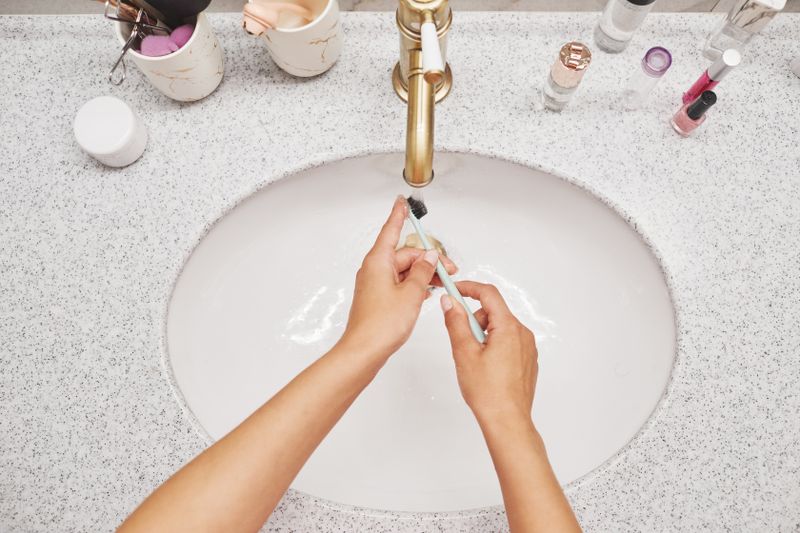
Most pilling disappears entirely if each layer is allowed to absorb before the next one goes on. A minute or two per layer is usually enough, and sunscreen benefits from slightly longer. Using that time for something else, such as brushing teeth or making coffee, makes the wait cost nothing.
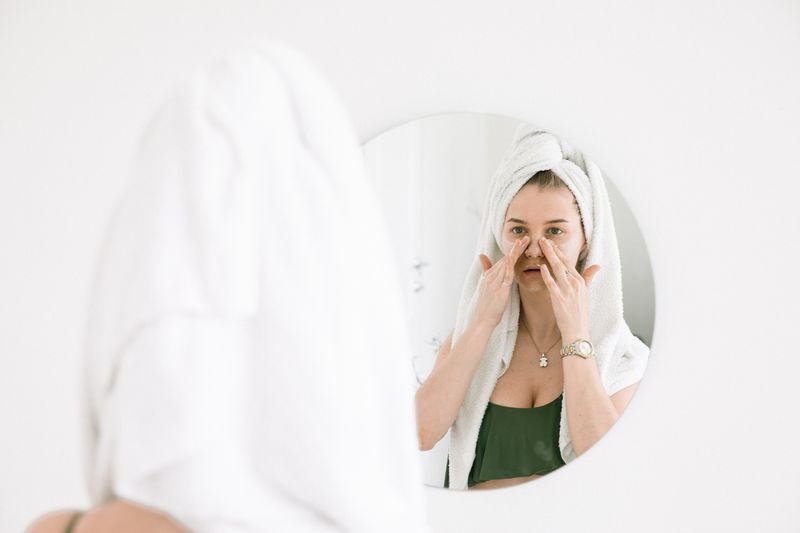
After four to six weeks, patting a layer in rather than rubbing helps it absorb and reduces the friction that causes rolling. This single change resolves more base problems than any product purchase does.
Matching the skincare to the base
A dewy skincare layer under a dewy foundation on oily skin produces a base that slides by lunchtime. A mattifying primer over a rich moisturiser is two products working against each other in sequence. Lightweight, fast-absorbing layers give the most reliable foundation regardless of which base you use.
By the end of a working day, rich creams and facial oils belong in an evening routine on days when a base needs to last.
The skincare that suits your skin at night is not automatically the skincare that suits a working day under makeup.
Dry patches and texture
Foundation clings to flaking skin because loose surface cells hold more product than intact skin does. Gentle exfoliation on a separate evening, followed by good hydration, addresses this far better than any application technique.
Applying a heavier moisturiser to a flaking patch on the morning itself softens it enough to help. Avoid exfoliating on the morning of an event, since freshly exfoliated skin takes base differently and can be reactive. Persistent dry, scaly or itchy patches are worth a doctor's opinion rather than an indefinite makeup workaround.
If you are pregnant, breastfeeding or using prescription treatment, check specific actives with a doctor or pharmacist before adding them.
Building a morning that works
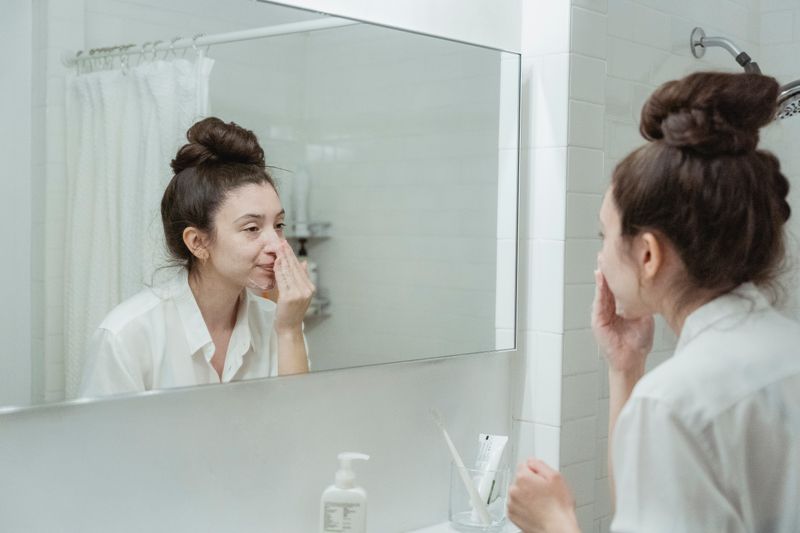
Cleanse, apply one hydrating layer, apply one moisturiser if needed, then sunscreen, and wait between each. Skip the serum entirely on days when a base has to last, since fewer layers means fewer interfaces to fail.
By the end of a working day, let sunscreen settle for several minutes, since it is the layer most likely to cause pilling under foundation. Then apply base by pressing rather than sweeping, which disturbs the layers underneath far less. The pattern throughout is fewer products, thinner layers and more patience, which costs nothing to try.
Side by side
| Consideration | What it means in practice |
|---|---|
| Why makeup fails on good skincare | Pilling happens when layers do not bond and roll under friction. |
| What pilling actually is | Silicone and water-based products can separate on the skin. |
| Waiting between layers | Waiting between layers prevents most application problems. |
The takeaway
When a base misbehaves, look one layer down, because the foundation is rarely the thing that went wrong.
Sunscreen, consistency and time outperform nearly everything sold as a breakthrough.
Questions readers ask
Why does my foundation pill over my skincare?
Layers that have not absorbed, or silicone and water-based products meeting on the surface. Waiting between layers resolves most cases.
Should I use fewer skincare products on days I wear makeup?
Usually yes. Each layer is another interface that can fail, and lightweight fast-absorbing products give a base far more to hold onto.
Also by Tanya Sabharwal
- The skin barrier is a physical structure, not a marketing wordSkincare
- Mineral and organic filters reach the same result by different chemistrySkincare
- A moisturiser does three separate jobs, and most people only want twoSkincare
- AHAs and BHAs differ by solubility, and that decides where they can reachIngredients