Routines
Waiting between layers: what needs it and what does not
Some waits exist for chemistry, some for texture and most exist because someone repeated them online. The difference is worth knowing at seven in the morning.
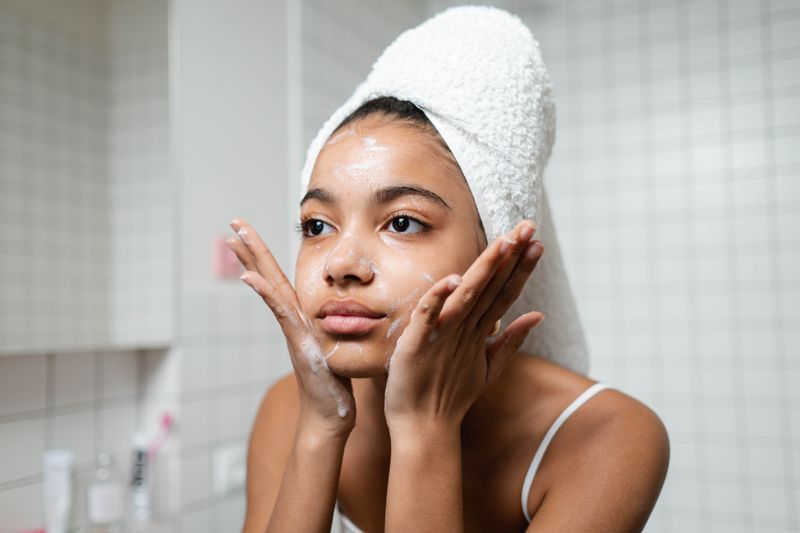
These are listed in the order worth acting on, which with waiting between skincare steps is not the order they are usually presented in.
What matters most
- Film-forming products need time to set before anything goes over them.
- Long waits for pH adjustment exceed what the evidence supports.
- Damp skin increases penetration, which matters for retinoids.
Where waiting genuinely helps
Sunscreen forms a film, and disturbing that film before it sets creates uneven coverage and reduces protection. A few minutes between sunscreen and makeup solves both the protection problem and most pilling complaints. Primers and silicone-based products also need to set, since applying over an unset film drags it.
Retinoids should go onto completely dry skin, because damp skin increases penetration and with it irritation. In each of these cases the reason is physical and observable rather than theoretical.
Where the long waits came from
Advice to wait twenty or thirty minutes after an acid before the next product is based on skin pH returning to baseline. Skin does restore its surface acidity gradually, and the practical consequence for a subsequent moisturiser is minimal. The rule became elaborate as it was repeated, acquiring specific durations that nobody measured.
For most routines, a few minutes for comfort and texture is entirely sufficient. Applying one active per session removes the question altogether, which is a simpler solution than a timer.
Where waiting is counterproductive
Humectant-rich products work better applied to damp skin, so waiting for skin to dry after cleansing wastes the advantage. Moisturiser applied within a minute or so of cleansing traps surface water that would otherwise evaporate.
Waiting so long that a layer has fully dried can make the next one spread unevenly. Long gaps also make a routine slower, which is the most reliable predictor of whether people keep doing it. The goal is a routine that fits a real morning rather than one that demonstrates diligence.
Absorption is the wrong word
Very little of what you apply is absorbed in any deep sense, and most of it acts at or near the surface. What people call absorption is usually the evaporation of water and volatile solvents, leaving the functional part behind.
On the ingredient list, that is why a product can feel absorbed within seconds while still working on the surface for hours. Judging a product by how fast it disappears rewards volatile content rather than performance. The useful question is whether the layer has set enough for the next one, not whether it has vanished.
Pilling and how to stop it
Pilling means two layers will not bond, and it is nearly always a mismatch between water-based and silicone-based products. Allowing each layer to set, applying thin amounts and pressing rather than rubbing solves most cases.
By the end of a working day, if it persists, reordering the products or removing one from the middle of the stack usually identifies the culprit. Applying makeup over unset skincare is the most common single cause and the easiest to fix. Nothing about pilling indicates that a product is poor quality, only that it is in the wrong position.
A realistic morning
Cleanse or rinse, apply a hydrating or treatment layer to damp skin, then moisturiser within a minute. Wait two or three minutes while you do something else, then apply sunscreen generously in one pass.
Wait another couple of minutes before makeup, using the time to brush your teeth or make coffee. The total added waiting is around five minutes, spent doing other things rather than standing still. That is the whole of the waiting anyone needs, and everything longer is a routine designing itself around a rule.
Everything above, in order of what to do first
- Where waiting genuinely helps. Sunscreen forms a film, and disturbing that film before it sets creates uneven coverage and reduces protection.
- Where the long waits came from. Advice to wait twenty or thirty minutes after an acid before the next product is based on skin pH returning to baseline.
- Where waiting is counterproductive. Humectant-rich products work better applied to damp skin, so waiting for skin to dry after cleansing wastes the advantage.
- Absorption is the wrong word. Very little of what you apply is absorbed in any deep sense, and most of it acts at or near the surface.
- Pilling and how to stop it. Pilling means two layers will not bond, and it is nearly always a mismatch between water-based and silicone-based products.
- A realistic morning. Cleanse or rinse, apply a hydrating or treatment layer to damp skin, then moisturiser within a minute.
The takeaway
Wait for films to set and for nothing else, and fill the gaps with the rest of your morning.
A short routine you finish beats a long one you resent.
Questions readers ask
Do I need to wait after applying sunscreen?
A couple of minutes before makeup is worthwhile, since disturbing an unset film reduces coverage and causes pilling.
Should I wait for a serum to dry completely?
Usually not. Applying moisturiser while skin is still slightly damp helps humectants hold water rather than losing it to the air.
Also by Tanya Sabharwal
- The skin barrier is a physical structure, not a marketing wordSkincare
- Mineral and organic filters reach the same result by different chemistrySkincare
- A moisturiser does three separate jobs, and most people only want twoSkincare
- AHAs and BHAs differ by solubility, and that decides where they can reachIngredients