Routines
Where you keep a product changes how long it works
Heat, light and air degrade cosmetic ingredients on a predictable schedule. The bathroom shelf is the worst place in the house for several things you probably keep there.
This is written to be used rather than admired. Each section below is a decision about storing skincare products, and each one has a default.
Before you start
- Heat accelerates chemical degradation of most active ingredients.
- Light breaks down retinoids and vitamin C directly.
- Jars expose the contents to air and fingers with every use.
What actually degrades
Chemical reactions generally run faster at higher temperatures, which means a warm bathroom shortens the life of anything unstable. Ultraviolet and visible light break down photosensitive molecules directly, which is why certain products come in opaque packaging. Oxygen reacts with many ingredients, particularly antioxidants, which are designed to react with oxygen by definition.
Contamination introduces microbes that a preservative system is designed to control, and that system has a finite capacity. Every one of these is affected by where a product sits and how it is opened.
The products most at risk
L-ascorbic acid vitamin C is the classic example, oxidising in water and turning yellow then brown as it degrades. Retinoids are sensitive to both light and air, which is why they arrive in opaque tubes and airless pumps.
Benzoyl peroxide degrades with heat and is also the ingredient most likely to bleach a towel it touches. Unsaturated plant oils go rancid, and warmth and light accelerate that considerably. Sunscreen filters can degrade with prolonged heat, which matters for the bottle that lived in a car all summer.
Why the bathroom is a poor choice
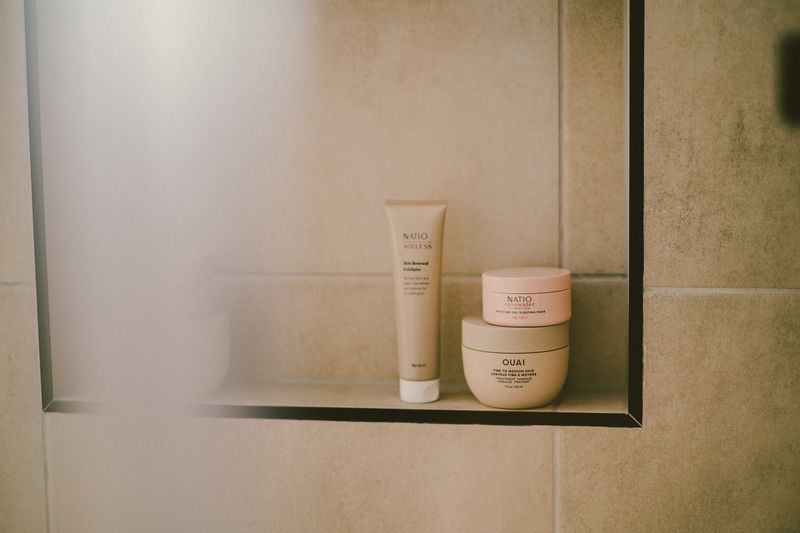
A bathroom cycles between warm and humid and cool and dry several times a day, which is chemically demanding. Steam from a shower raises the temperature of everything on an open shelf, repeatedly, for months.
Humidity encourages microbial growth in anything opened, particularly products dispensed from a jar. Bathroom windows expose products to direct light, which is the worst possible position for a vitamin C serum. A bedroom drawer is cooler, darker, drier and more stable, and moving products there costs nothing.
Packaging and what it protects against
Airless pumps expose almost none of the contents to oxygen and are the best format for unstable actives. Opaque tubes protect against light and expose a small amount of product to air with each use. Clear glass droppers look elegant and admit light, and every use draws air into the bottle.
On the ingredient list, jars expose the full surface to air every time and invite fingers into the product, which introduces microbes directly.
Choosing packaging appropriate to the contents is one of the more reliable signals of a well-considered product.
Reading the dates
The open jar symbol with a number gives the period after opening in months, commonly six, twelve or twenty-four. That figure assumes normal storage, and a hot bathroom shelf shortens it in practice.
An expiry date is separate and applies to the unopened product, which is why sunscreen carries one. Writing the opening date on the bottom of a product with a marker takes two seconds and answers the question later. A product that has changed colour, separated or developed a smell has told you the answer regardless of the date.
If you are pregnant, breastfeeding or using prescription treatment, check specific actives with a doctor or pharmacist before adding them.
Refrigeration and when it helps
Cooling slows degradation, so a fridge extends the useful life of vitamin C serums and unstable oils. It also makes products feel pleasant, which is a legitimate reason on its own with no chemistry involved. Emulsions can separate at low temperatures, and some creams never recombine properly afterwards.
Anything oil-based may solidify and needs warming in the hand before it will spread. Refrigerate the unstable water-based actives if you like, and leave the creams and balms at room temperature.
The takeaway
Move the unstable half of your routine out of the bathroom, and you get the potency you already paid for.
Sunscreen, consistency and time outperform nearly everything sold as a breakthrough.
Questions readers ask
Should I keep skincare in the fridge?
It helps unstable actives such as vitamin C and slows oils going rancid. Emulsions can separate and oil-based products solidify, so it is not universal.
My vitamin C serum turned orange, is it still usable?
It has oxidised and lost potency. It is not usually harmful, and it is no longer delivering what you paid for. Replace it and store the next one better.
Also by Tanya Sabharwal
- The skin barrier is a physical structure, not a marketing wordSkincare
- Mineral and organic filters reach the same result by different chemistrySkincare
- A moisturiser does three separate jobs, and most people only want twoSkincare
- AHAs and BHAs differ by solubility, and that decides where they can reachIngredients