Ingredients
Hyaluronic acid is a sponge, and a sponge needs somewhere to keep the water
It holds a remarkable amount of water for its weight, which is only useful if the water has somewhere to stay. In dry air, an unsealed layer can work against you.
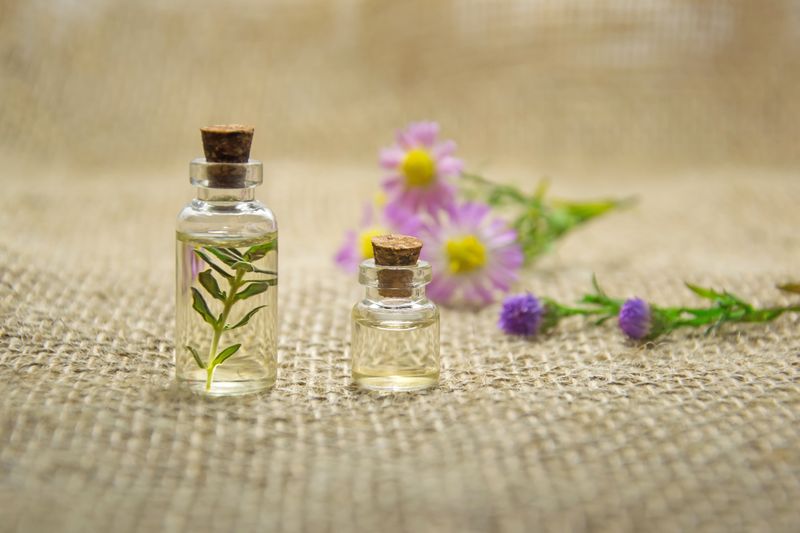
There is a short answer about hyaluronic acid serums and a useful one, and they are not the same. What follows is the useful one.
The short version
- It is a humectant, not a moisturiser in its own right.
- Molecular weight changes where it sits and how it behaves.
- Applying it to damp skin and sealing it is the whole technique.
What the molecule is
Hyaluronic acid is a glycosaminoglycan found naturally in skin, joints and eyes, where it holds water within tissue and contributes to structure. In cosmetics it is normally supplied as sodium hyaluronate, the salt form, which is more stable and dissolves more readily.
It binds a striking quantity of water relative to its own weight, which is the figure marketing departments quote most often. Formulations use it at low percentages because higher amounts produce a tacky, stringy texture rather than better performance. Its position low on an ingredient list is therefore normal and not evidence of a token amount.
Molecular weight actually matters
High molecular weight hyaluronic acid stays largely on the surface, forming a hydrating film that also gives a smoothing, slightly tightening feel. Lower molecular weight fragments can move further into the outer layer, which is the basis of multi-weight formulations.
By the end of a working day, very low weight fragments have been discussed in relation to inflammatory signalling in research contexts, which is a reason for caution rather than alarm. Most products do not state molecular weight, so this remains a design detail you usually cannot verify from the label. Where a brand does specify a blend of weights, that is at least a sign the formulator thought about it.
The dry air problem
A humectant pulls water from wherever it can find it, which in a humid room means the air and in a dry room can mean deeper skin. Applied bare in low humidity with nothing above it, a hyaluronic serum can leave skin feeling tighter than before.
Under makeup, that is not the ingredient failing; it is the ingredient doing exactly what it does in an environment that works against it. Applying onto slightly damp skin gives it water to hold, and following with a moisturiser stops that water escaping. This sequencing is the difference between a serum that works and one people describe as useless.
What it will and will not change
Surface hydration improves the appearance of fine lines temporarily by plumping the outer layer, and the effect fades as hydration normalises. It does not stimulate anything, rebuild anything or change the structure of skin, and claims to that effect overreach considerably. Injectable hyaluronic fillers work by being placed into tissue by a clinician, which has no relationship to what a serum does.
Conflating the two is one of the more common sleights of hand in skincare advertising.
As a comfortable, well-tolerated hydrator it is genuinely useful, and that is a modest and accurate description.
Alternatives that do the same job
Glycerin is a smaller humectant that penetrates the surface layer readily, costs a fraction as much and performs extremely well. Panthenol, betaine, urea, sodium PCA and various amino acids all bind water and appear across well-formulated moisturisers.
Polyglutamic acid is marketed as a newer alternative with a larger water-binding capacity, and its evidence base is younger. A moisturiser containing several humectants alongside emollients and occlusives usually beats a standalone humectant serum. Buying the serum separately makes sense mainly if you want to control the layer independently.
Patch test anything new, and introduce one active at a time so you can tell what did what.
Common mistakes
Applying it to bone-dry skin in a heated room is the most frequent error and produces exactly the opposite of the intended result. Skipping the moisturiser afterwards leaves the humectant layer exposed and its held water free to evaporate.
On the ingredient list, expecting it to substitute for a lipid-rich cream on genuinely dry skin misunderstands which deficit it addresses. Layering four hydrating products in sequence adds tackiness rather than hydration beyond the point of saturation. Judging it by immediate plumpness rewards the temporary effect and tells you nothing about longer-term comfort.
The takeaway
Damp skin underneath, moisturiser on top, and the sponge finally has something to hold.
Sunscreen, consistency and time outperform nearly everything sold as a breakthrough.
Questions readers ask
Does hyaluronic acid work in low humidity?
It works far better sealed. In dry air, apply to damp skin and follow with a moisturiser, or use a cream that contains it alongside occlusives.
Is a higher percentage better?
No. Above low single figures the texture becomes unpleasant without added benefit, and most well-made products stay well below that.