Skincare
An SPF number is a ratio, which is why how you apply it decides everything
SPF is measured under laboratory conditions almost nobody reproduces at a bathroom mirror. Understanding what the number describes changes how much you use and how often.
The theory of what an SPF number measures is well covered elsewhere. This is about the version you meet in practice.
What holds up in practice
- SPF compares how long protected skin takes to redden against unprotected skin.
- The test applies a thick, standardised layer most people never match.
- Reapplication matters because the film degrades and is rubbed away.
What the number describes
SPF expresses a ratio: how much longer protected skin takes to show the first visible redness compared with the same skin left bare. It is determined in a laboratory under a standardised lamp, and it measures the ultraviolet B range that drives sunburn most directly. The ratio is not a promise about hours, because the sun is not equally strong at nine in the morning and one in the afternoon.
Two people with different skin will burn at different absolute times under the same product, while the ratio between protected and bare skin stays similar. Reading SPF as a multiplier of your own burn time is closer to correct than reading it as a duration.
The application thickness problem
SPF testing applies two milligrams of product per square centimetre of skin, a layer noticeably thicker and greasier than most people willingly wear. Studies have generally found that real-world application falls well short of that figure, often at half or less of the tested amount. Protection does not fall in a straight line with thickness, so a thin layer of a high number can behave like a much lower one.
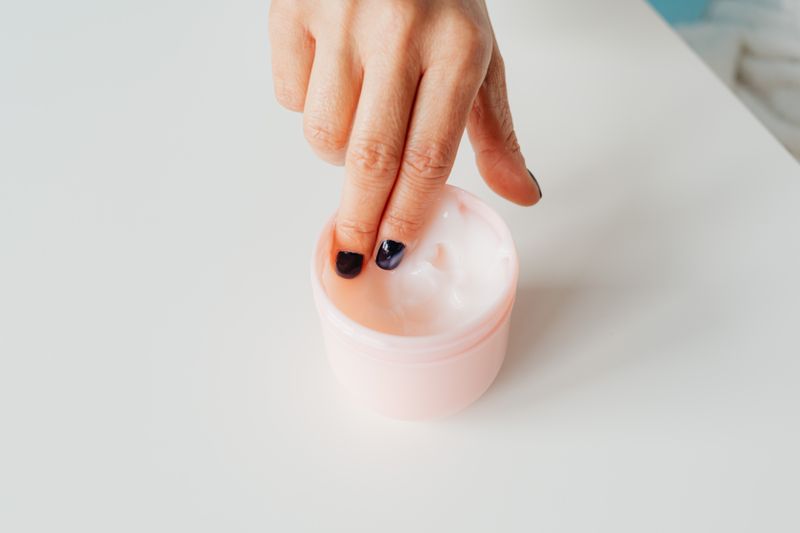
This is the single strongest argument for generosity: the number on the bottle is only available at the thickness it was measured at. Rules of thumb such as a couple of fingers' length for a face and neck exist to approximate a quantity most people underestimate.
Diminishing returns above thirty
An SPF of 30 filters roughly ninety-seven per cent of the ultraviolet B reaching it, and an SPF of 50 takes that to around ninety-eight. The arithmetic is simply one minus one over the SPF, which is why the curve flattens sharply once you pass the twenties. The remaining difference is small in percentage terms but not trivial for someone outdoors all day, especially where the sun is strong.
On a compromised barrier, the stronger case for a higher number is that it leaves more margin when you inevitably apply less than the tested amount. Choosing a formula you will actually wear every day beats choosing a higher figure you avoid because it feels unpleasant.
Why reapplication is not optional outdoors
The protective film is a physical layer that is rubbed off by clothing, diluted by sweat, removed by towelling and disturbed by touching your face. Some organic filters also degrade under prolonged ultraviolet exposure, though modern formulas include stabilisers that slow this considerably. The standard guidance in most countries is to reapply roughly every two hours of continuous sun exposure, and immediately after swimming or drying off.
Water resistance claims are time-limited by regulation in many markets, describing performance after a set period of immersion rather than permanent adhesion.
Indoors away from windows, a single morning application is a reasonable position, and there is no reason to treat that as a failure.
Where people lose protection without noticing
Ears, the back of the neck, the tops of the feet, eyelids and the parting in your hair are the classic misses. Lips have no meaningful pigment protection and no oil glands, and most lip products carry no ultraviolet filters at all. Window glass reduces ultraviolet B substantially while letting a large share of ultraviolet A through, which matters for long daily commutes.
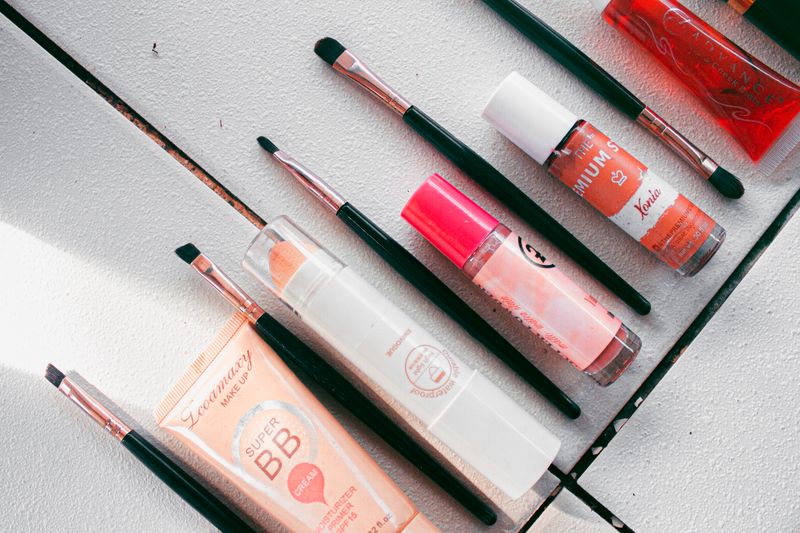
Makeup with an SPF rating is applied far too thinly to deliver its label figure and should be treated as a bonus, not a base. Shade, timing and clothing carry more of the load than any bottle does, and a broad hat outperforms a hopeful reapplication.
Patch test anything new, and introduce one active at a time so you can tell what did what.
Reading the label properly
Look for evidence of ultraviolet A protection alongside the SPF figure, since the number alone describes only part of the spectrum. Expiry dates matter on sunscreen more than on most cosmetics, because filter systems are formulated to a defined shelf life. A bottle left in a hot car for a summer has been stored outside the conditions its stability testing assumed.
After four to six weeks, if a formula stings your eyes, pills under makeup or feels intolerable, the honest fix is a different formula rather than less of it. Anyone with a history of skin cancer, photosensitivity or a medication that increases sun sensitivity should take that conversation to a doctor or pharmacist.
The takeaway
The number is only as good as the thickness you apply it at, so use more than feels elegant.
Skin changes slowly. Anything promising otherwise is selling the promise.
Questions readers ask
Does a higher SPF let me stay out longer?
Treating it that way is how people burn. Use the higher number as a margin against thin application rather than as permission for a longer exposure.
Is sunscreen needed on cloudy days?
Cloud reduces ultraviolet but does not eliminate it, and thin cloud can reduce it very little. For daily incidental exposure, consistency is simpler than judging the sky.