Makeup
Under-eye concealer fails on texture before it fails on colour
The skin there is thin, mobile and prone to creasing, so the amount you apply matters more than the shade you chose.
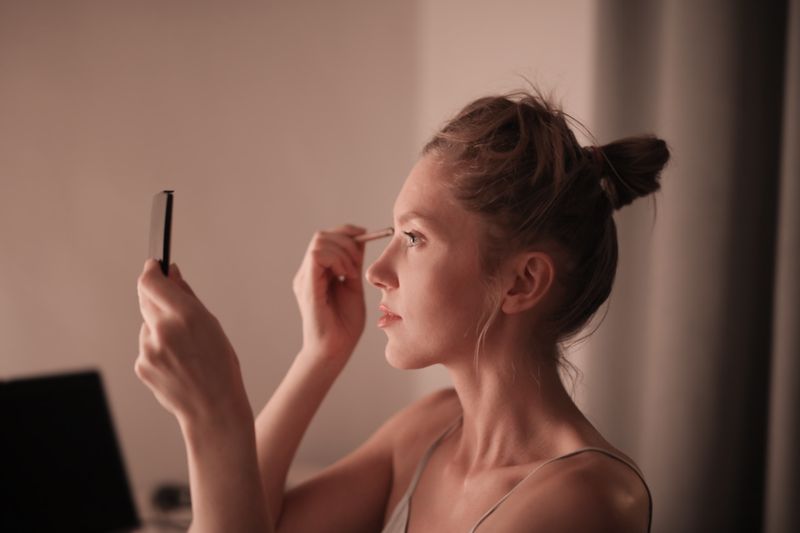
The options around under-eye concealer are set out side by side below, with the conditions that genuinely favour one over the other.
The difference in one place
- Under-eye skin is thinner and moves constantly with expression.
- Creasing is usually caused by product volume, not by formula.
- Darkness there is often structural rather than pigmentary.
Why this area behaves differently
The skin beneath the eye is among the thinnest on the body and sits over a thin layer of tissue with little fat beneath it. It moves with every blink, smile and squint, so any film applied over it is flexed constantly through the day.
There are few oil glands there, so the surface is drier and more prone to fine surface lines that catch product. Blood vessels and underlying structure show through readily, which is where much apparent darkness comes from. None of this makes concealer pointless; it makes technique disproportionately important.
What causes creasing
Creasing happens when more product is present than the moving surface can hold in a smooth film. The excess collects in the natural folds, and once it has gathered there it deepens the appearance of the line it sits in. Heavier, more emollient formulas crease more readily because they stay soft and mobile for longer.
Skincare that has not fully absorbed adds slip beneath the concealer and accelerates the problem. The single most effective fix is applying substantially less than instinct suggests and building only where needed.
Placement over coverage
Applying concealer across the entire under-eye area is rarely necessary and puts product where it will only crease. Placing it on the specific darker area, often an inverted triangle inner to the pupil, covers what is visible with far less material.
After four to six weeks, blending outward with a small brush or a damp sponge keeps the edges soft without dragging more product across the area. Setting with a very small amount of finely milled powder, pressed rather than swept, holds it without adding thickness. Powdering the whole area heavily is a common cause of the dry, crepey look people then blame on their skin.
Colour correction and when it helps
Bluish or purple darkness responds to a peach or orange correcting layer, applied extremely thinly beneath concealer. Brownish darkness generally does not respond well to correction and is better addressed with a concealer close to your own depth.
By the end of a working day, over-correcting produces a grey or ashy cast, which is more noticeable than the darkness it was meant to hide. A concealer one step lighter than your base is a technique for brightening, not a rule, and going too light reads as a mask.
In daylight the difference between correction and over-correction is obvious in a way bathroom lighting hides.
What makeup cannot address
Hollowing beneath the eye creates a shadow, and a shadow is a lighting phenomenon rather than a pigment one. Lightening a shadow flattens it slightly but cannot remove it, which is why some under-eye darkness resists every product. Puffiness likewise is structural or fluid-related, and concealer applied over it emphasises the contour rather than hiding it.
At the strengths actually sold, persistent, worsening or one-sided changes around the eyes are worth mentioning to a doctor rather than covering. Recognising which kind of darkness you have saves a great deal of money on products that were never going to work.
If you are pregnant, breastfeeding or using prescription treatment, check specific actives with a doctor or pharmacist before adding them.
Practical habits
Let eye cream or moisturiser absorb fully before applying anything, and blot the area if it still feels slippery. Warm the concealer briefly on the back of the hand so it spreads with less pressure.
Use a damp sponge for a sheer finish and a small brush for targeted coverage, rather than fingers which deposit unevenly. Touch up by pressing gently with a clean fingertip rather than adding fresh product to a creased layer. Removing at the end of the day with a gentle oil-based product avoids the dragging that makes the area worse over time.
Side by side
| Consideration | What it means in practice |
|---|---|
| Why this area behaves differently | Under-eye skin is thinner and moves constantly with expression. |
| What causes creasing | Creasing is usually caused by product volume, not by formula. |
| Placement over coverage | Darkness there is often structural rather than pigmentary. |
The takeaway
Use less, place it precisely, and set with almost nothing, because volume is what creases.
Skin changes slowly. Anything promising otherwise is selling the promise.
Questions readers ask
Why does my concealer crease no matter what I use?
Almost always because there is too much product for the movement in that area. Try half as much, placed only where the darkness is.
Should concealer go before or after foundation?
After, usually. Foundation often covers more than expected, so applying it first shows you how little concealer you actually need.
Also by Ridhima Passi
- Niacinamide is the least dramatic active on the shelf, which is why it stayedIngredients
- Preservatives are the reason your cream is not a petri dishIngredients
- Foundation matching fails on undertone far more often than on depthMakeup
- Foundation oxidation is real, and it is not usually the foundation's faultMakeup