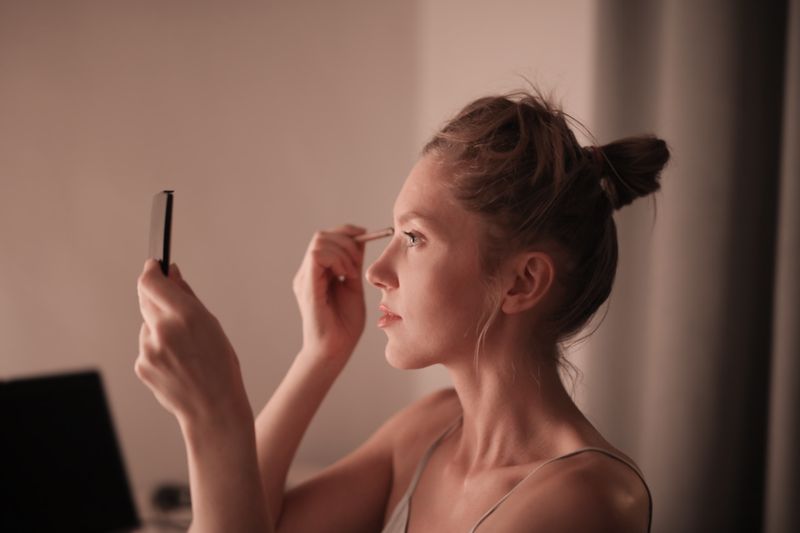
Makeup
Cream before powder is a rule with an actual reason behind it
Powder absorbs, creams move, and a cream applied over a powdered surface tends to drag and patch. The order follows from how the two textures interact.
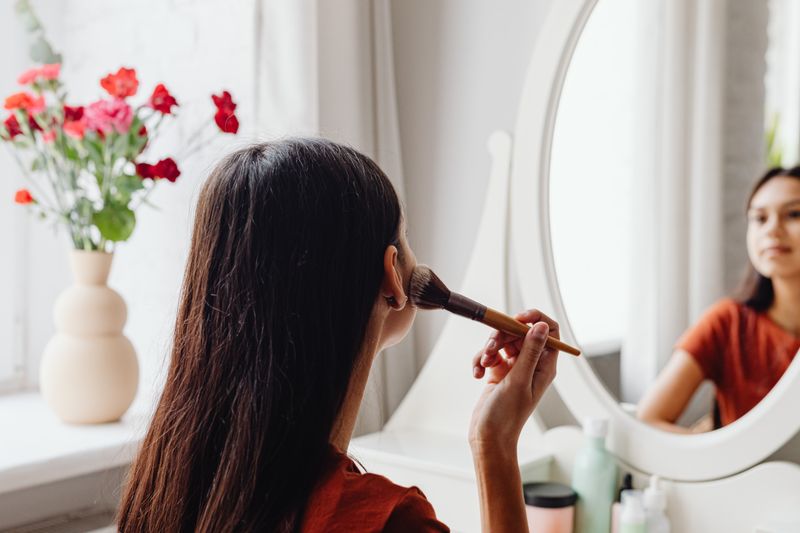
Treat the sections below as a sequence. With layering cream and powder makeup, getting the early decisions right makes the later ones much easier.
Before you start
- Powder absorbs the moisture creams need to blend.
- Creams over powder drag and lift the layer beneath.
- Setting between layers is the exception that makes reversals work.
Why the order exists
Cream products blend by spreading a semi-liquid film, which requires a surface with some slip for the product to move across. Powder removes that slip deliberately, which is exactly why it stops a base from shifting through the day.
Applying cream blush over a powdered cheek means the cream grips immediately where it lands and refuses to move. Worse, the friction of trying to blend it lifts the powder and the base underneath, leaving a patch. The rule is not aesthetic dogma; it is a direct consequence of how each texture behaves.
A working sequence
Base first, then cream products such as cream blush, cream bronzer and cream highlighter while the base is still workable. Powder next, applied by pressing, to set everything underneath and control shine. Powder colour products last, since they sit comfortably on a powdered surface and blend by dusting rather than spreading.
On the ingredient list, eye products are usually done either before base or after powder, depending on whether fallout is a concern. This sequence holds for the great majority of faces and formulas without needing exceptions.
When you can break it
A cream product can go over powder if you set the area lightly and use a tapping motion rather than a sweeping one. Cream contour over a lightly powdered face is sometimes easier to control, since the powder slows the blend usefully. Layering powder blush over cream blush in the same shade family deepens colour and improves wear noticeably.
Some very emollient creams sit fine over powder because they carry enough slip of their own. These are techniques to use deliberately, not defaults to fall into by accident.
Why cream lasts differently
Cream products bind more closely to the base and to skin, which usually means better wear on dry skin. On oily skin the same binding means the product can move with sebum and slide out of place.
On the ingredient list, powder products sit on the surface and are more easily disturbed by touch, but they resist oil better. Combination skin frequently does best with cream on drier areas and powder on the central face.
Matching texture to zone is more effective than choosing one approach for the whole face.
Blending tools change the outcome
A damp sponge blends creams beautifully because it adds slip and picks up excess without dragging. A dense brush is better for powder, since it deposits and buffs without needing moisture.
On a compromised barrier, fingers warm cream products and press them into skin, which suits blush and cream bronzer particularly well. Using a powder brush on a cream product usually streaks it, because the bristles are too sparse to move a viscous film. Matching the tool to the texture solves a surprising number of application complaints.
Persistent, painful or changing skin conditions belong with a dermatologist rather than a routine.
Building rather than correcting
Applying less than you think and building in layers is far easier than removing excess from a finished face. Correcting an overloaded cream product means removing the base underneath too, which usually means starting again. Powder is more forgiving, since a clean brush can buff excess away without disturbing much.
Placing product slightly inside the intended area and blending outward keeps edges soft. Every one of these habits reduces the number of days that end in wiping everything off and beginning again.
The takeaway
Creams need slip and powders remove it, which is the entire argument for the order.
Skin changes slowly. Anything promising otherwise is selling the promise.
Questions readers ask
Can I use cream blush over powder foundation?
It is difficult without patching. Tapping with a fingertip and building gradually works better than blending with a brush, but powder blush is easier.
Does the order matter for eye products?
The same principle applies. Cream shadow and pencil first, then powder shadow on top, which also improves wear on the crease.