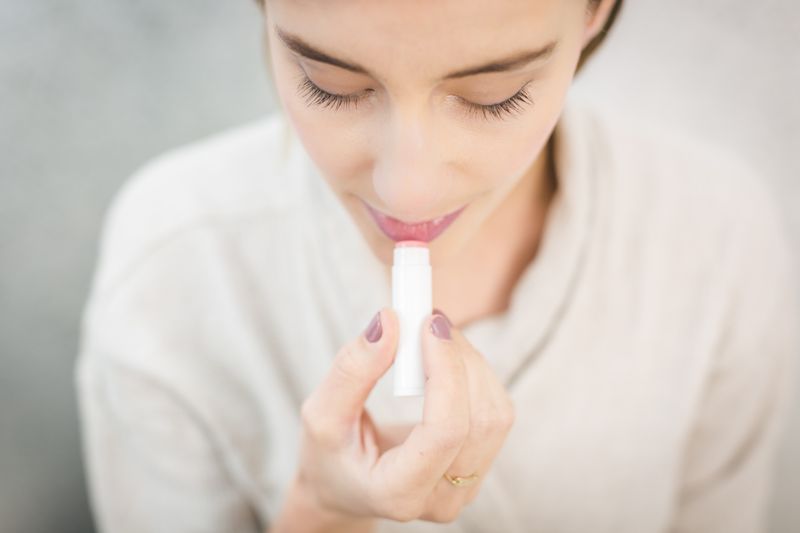
Lips
Lip plumpers work by irritation, and it is worth knowing that
The swelling is a mild inflammatory response to an irritant. The effect is temporary by definition, and repeating it daily is a choice worth making knowingly.
Everything here earned its place by changing an outcome. Nothing about lip plumping products is included to round the number up.
What matters most
- Common actives include cinnamon, ginger, capsaicin and menthol derivatives.
- Swelling is mild inflammation and subsides within hours.
- Repeated irritation on thin tissue is not consequence-free.
The mechanism
Most plumping products contain compounds that irritate the lip surface, prompting local blood vessels to dilate and fluid to accumulate. Cinnamon oil, ginger extract, capsaicin derivatives, menthol and nicotinate compounds are the usual candidates.
The tingle people describe is the sensory nerve response to that irritation, and the swelling follows it. The effect is genuinely visible, which is why the category persists despite the mechanism being unglamorous. It is a controlled minor injury rather than any kind of structural change to the lip.
How long it lasts
The swelling typically subsides within a few hours as the inflammatory response resolves and fluid disperses. Nothing accumulates, so daily use produces the same temporary effect each time rather than a lasting change. Products marketed on long-term plumping usually rely on hydration and optical effects rather than on the irritant mechanism.
Hyaluronic acid in a lip product does hydrate the surface and can make lips look fuller while it holds water. That effect is real, modest and equally temporary, though it comes without the irritation.
The optical alternatives
Gloss reflects light from the centre of the lip, which reads as volume without touching the tissue at all. A lighter shade or a touch of gloss in the middle of the lip creates the same impression through highlighting.
Under makeup, overlining slightly, blended carefully, changes apparent proportion more convincingly than most plumpers do. These approaches are free of irritation and repeatable without any cumulative concern. For anyone who dislikes the tingle, the optical route delivers most of the visible result.
Why repeated irritation matters here
Lip tissue is thin, has no sebaceous glands and recovers more slowly than thicker facial skin. Regular deliberate irritation can leave lips drier, more sensitive and more prone to peeling over time. That peeling then prompts scrubbing, which damages the surface further and creates a self-sustaining cycle.
At the strengths actually sold, people who already have dry or reactive lips are the least suitable users of this category and often the most enthusiastic. Occasional use for an event is a very different proposition from daily application.
Reactions worth taking seriously
Cinnamon compounds in particular have a documented association with contact reactions on the lips. Swelling that persists beyond a few hours, spreads beyond the lip or recurs strongly is not the intended effect. Any difficulty breathing, tongue swelling or widespread reaction is an emergency rather than a cosmetic problem.
Persistent lip inflammation from cosmetics is something a doctor can investigate, including through clinical patch testing. The line between the intended tingle and an actual allergic response is not obvious from sensation alone.
Patch test anything new, and introduce one active at a time so you can tell what did what.
Reading the marketing
Language about stimulating collagen in the lip goes well beyond anything a topical cosmetic has been shown to do. Comparisons with injectable fillers describe a completely different intervention placed into tissue by a clinician. Peptide-based plumpers make gentler claims and generally produce a subtler effect, if any.
By the end of a working day, the tingle is often presented as evidence of efficacy, which is the same fallacy that surrounds stinging skincare. Knowing the mechanism lets you decide whether you want it rather than being sold it as a treatment.
Everything above, in order of what to do first
- The mechanism. Most plumping products contain compounds that irritate the lip surface, prompting local blood vessels to dilate and fluid to accumulate.
- How long it lasts. The swelling typically subsides within a few hours as the inflammatory response resolves and fluid disperses.
- The optical alternatives. Gloss reflects light from the centre of the lip, which reads as volume without touching the tissue at all.
- Why repeated irritation matters here. Lip tissue is thin, has no sebaceous glands and recovers more slowly than thicker facial skin.
- Reactions worth taking seriously. Cinnamon compounds in particular have a documented association with contact reactions on the lips.
- Reading the marketing. Language about stimulating collagen in the lip goes well beyond anything a topical cosmetic has been shown to do.
The takeaway
The tingle is the mechanism rather than a side effect, which is worth knowing before you make it a daily habit.
Skin changes slowly. Anything promising otherwise is selling the promise.
Questions readers ask
Are lip plumpers harmful?
For most people occasional use causes temporary irritation and nothing more. Daily use on already dry or reactive lips is where problems accumulate.
Is there a plumper that works without tingling?
Hydrating formulas can make lips look fuller while they hold water, and gloss creates the impression optically. Both are subtler than the irritant route.