Lips
Matte, satin and gloss are three different engineering problems
Finish is not a style choice made at the end of formulation. It determines the wax, oil and pigment structure of the entire product.
What follows is the working version of lipstick finishes: the decisions in the order you actually meet them, with the reasoning attached.
Before you start
- Matte finishes need high pigment and low oil, which reduces comfort.
- Gloss relies on oils and reflective agents that resist staying put.
- Satin sits between the two and suits most everyday wear.
What creates a matte finish
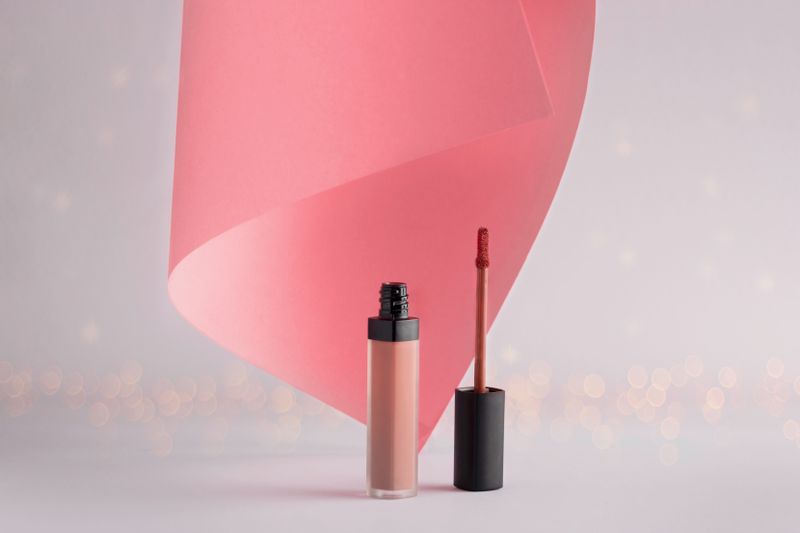
Matte lipsticks contain a high proportion of pigment and powdery fillers alongside relatively little oil. Those fillers scatter light in many directions rather than reflecting it evenly, which is what removes shine. The reduced oil content is exactly what makes matte formulas feel dry on tissue that produces none of its own.
It also makes them cling to any flaking or unevenness on the lip surface, which is why preparation matters more with matte. Wear time is generally longest in this category, since there is less mobile oil to migrate.
What creates gloss
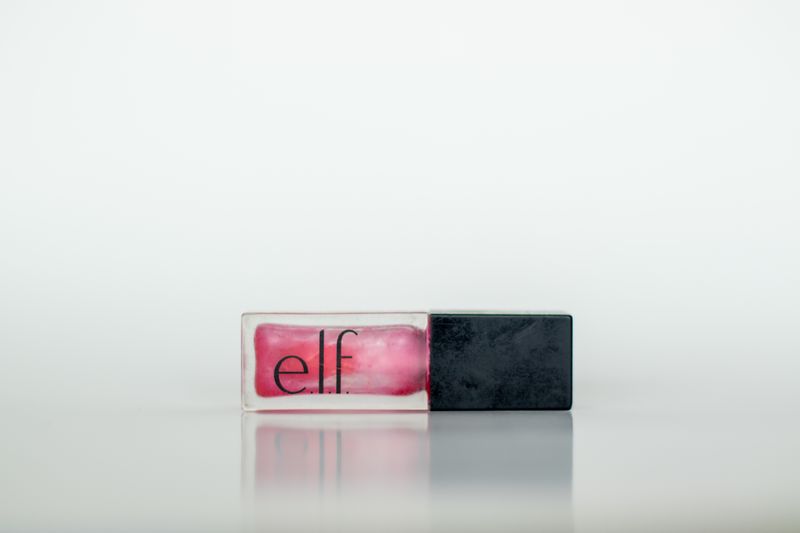
Gloss relies on oils, esters and film formers with a smooth, continuous surface that reflects light in a single direction. Reflective particles and high-refractive-index oils intensify the effect, which is why some glosses look wet rather than merely shiny. That same oil content means gloss migrates readily, transfers to cups and rarely survives a meal.
It is comfortable precisely because the oil replaces what the lip cannot supply for itself. Glosses also make lips look fuller by reflecting light off the centre, which is an optical effect rather than a physical one.
The satin middle
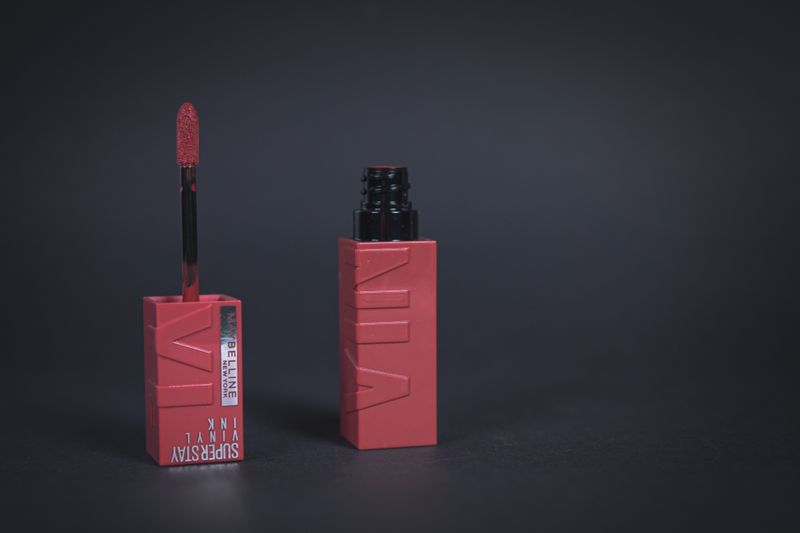
Satin and cream finishes balance pigment, wax and oil so that colour lasts reasonably while remaining comfortable. They reflect some light without the mirror effect of gloss, which reads as healthy rather than as either dry or wet.
On the ingredient list, for most people this is the format that survives an ordinary working day with occasional touch-ups. It is also the most forgiving of imperfect lip preparation, since some oil content smooths over minor texture. The absence of an extreme in either direction is why so many classic lipsticks sit here.
Preparation differs by finish
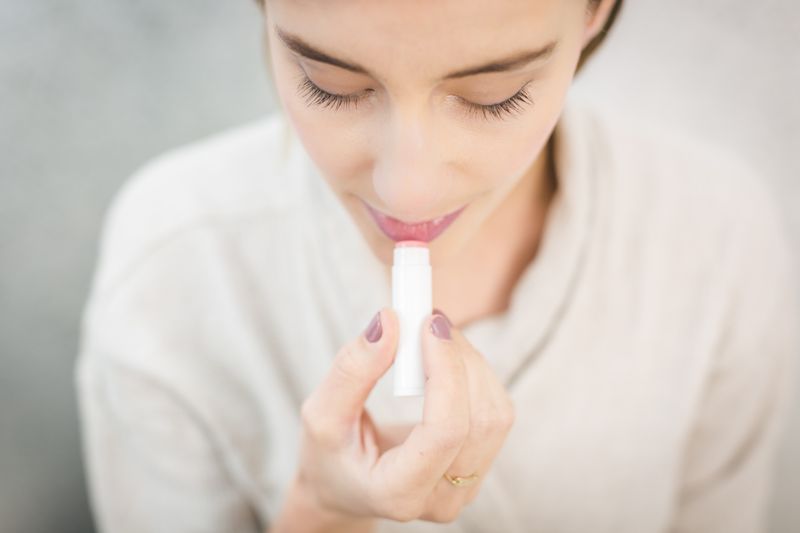
Matte formulas need the smoothest possible surface, which means balm applied well in advance and blotted before colour goes on. Applying balm immediately before matte lipstick prevents it from adhering and causes patchy wear within an hour.
Gloss needs almost no preparation, since the oil content handles minor unevenness on its own. Satin sits between, benefiting from a little balm absorbed rather than sitting wet on the surface.
Getting the timing wrong is the most common reason a lipstick behaves differently on you than in the advertising.
Longevity and touch-ups
Matte formulas usually fail by fading unevenly from the centre outward, which is where food and drink make most contact. Gloss fails quickly and evenly, which makes it easy to reapply without any visible edge.
Satin usually leaves a soft stain as it wears, which is the most forgiving failure mode of the three. Blotting after the first application and applying a second thin layer extends wear across all finishes. A lip liner in a matching tone holds the edges after the centre has worn, which is where most people notice fading.
Persistent, painful or changing skin conditions belong with a dermatologist rather than a routine.
Choosing for the day rather than the look
A long day of talking, eating and drinking argues for satin or a long-wear formula rather than gloss. Cold, windy weather makes matte finishes uncomfortable, since the lip is already losing water rapidly. Photographs favour satin and gloss, since matte finishes can read as flat and can emphasise texture under flash.
Layering gloss over matte gives shine while retaining some of the underlying wear, which is a practical hybrid. Owning one of each is more useful than owning six variations on the same finish.
The takeaway
Pick the finish for the day you are having, because the formula was built around it rather than decorated with it.
Skin changes slowly. Anything promising otherwise is selling the promise.
Questions readers ask
Why does matte lipstick emphasise flaking?
Low oil content means it cannot smooth over surface irregularity, and the pigment clings to raised flakes rather than sitting in a continuous film.
Can gloss be made to last longer?
Layering it over a matching stain or lip liner means colour remains after the gloss migrates, which is the practical workaround.