Lips
Liquid lipstick transfers less and feels worse, for one reason
The polymer film that resists a coffee cup also resists your mouth moving. That is the whole trade, and no formula escapes it entirely.
This is less a set of instructions about liquid lipstick wear than an argument, and it is worth saying so at the start.
The argument in brief
- Volatile solvents evaporate and leave a pigmented polymer film.
- The film restricts movement on tissue that moves constantly.
- Application in one pass produces better wear than repeated layering.
How the film forms
Liquid lipsticks suspend pigment in volatile solvents such as isododecane alongside polymers that stay behind once the solvent evaporates. As the product dries the polymers knit into a continuous film that holds pigment tightly against the surface. That film is what resists transfer to cups, cutlery and other faces, which is the entire selling point.
The drying period is when the product is most vulnerable, and touching it during that window ruins the film. Once set, the film is difficult to blend into or repair, which is why technique matters more here than with any other lip format.
Why comfort suffers
A film built to resist movement is applied to tissue that moves whenever you speak, eat or smile. The volatile solvents also remove some surface moisture as they evaporate, adding to the drying sensation. Lips have no oil glands to compensate, so nothing replaces what the film prevents and the solvent removed.
On a compromised barrier, some formulas include emollients that survive the drying phase, which softens the effect without eliminating it. A comfortable liquid lipstick almost always transfers more than an uncomfortable one, and that is not a coincidence.
Application that works
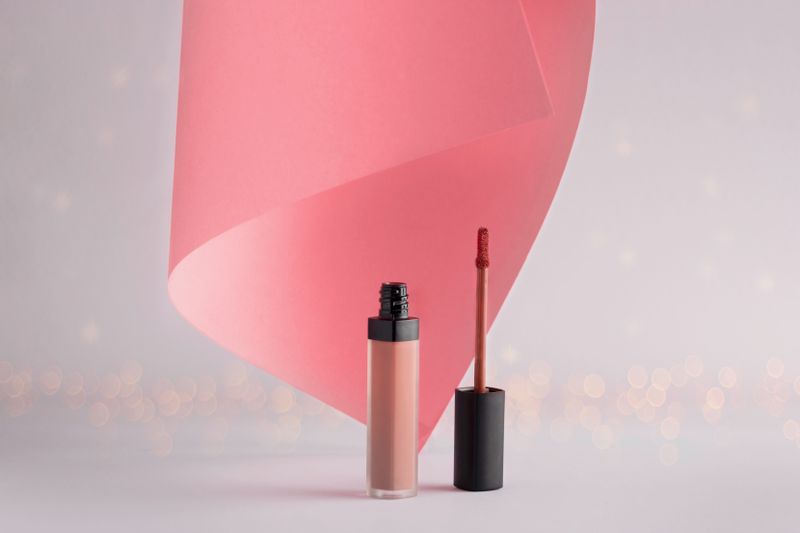
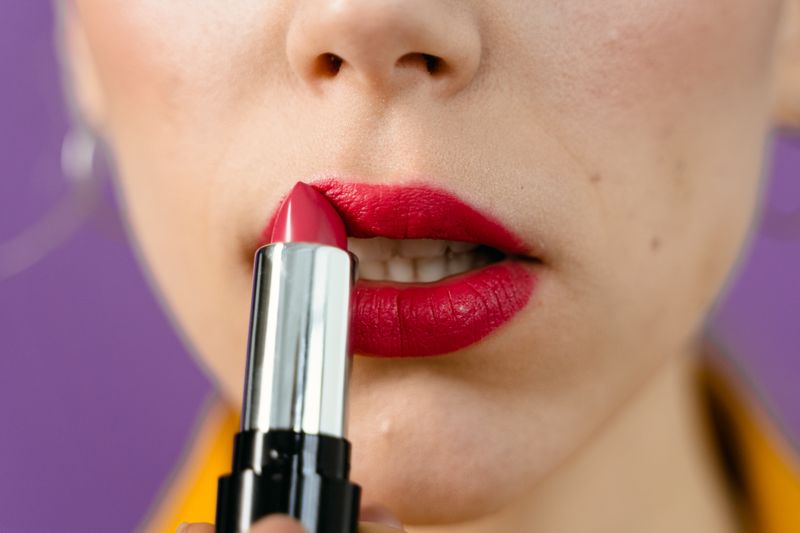
Apply in one confident pass rather than going back over areas, since the second pass disturbs a partly set film. Start from the centre and work outward, leaving the edges until last when the applicator carries less product. Let it dry completely without pressing the lips together, which is the most common cause of patchy results.
Under makeup, a second thin layer after the first has fully set builds opacity better than a single thick application. Thick application is the main cause of the flaking and cracking people blame on the formula.
Preparation and its limits
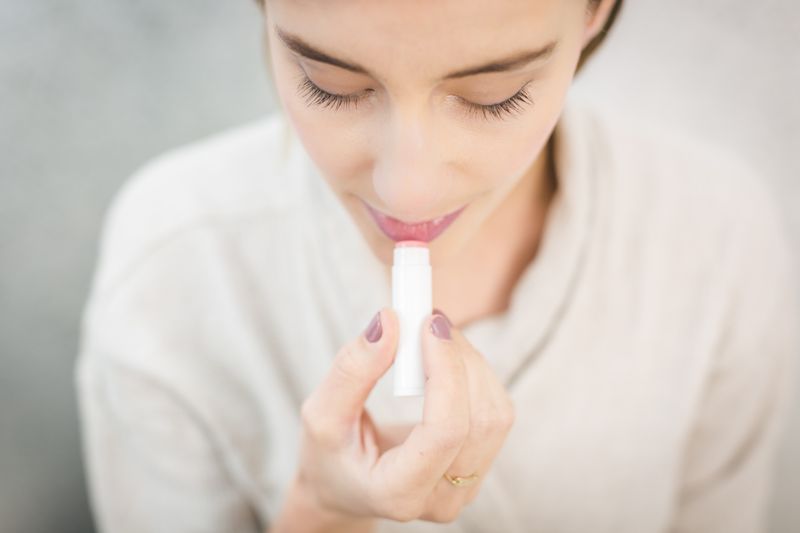
The film sets in whatever shape the lip surface has, so flakes and rough patches become permanent features of the result. Balm applied well in advance and blotted thoroughly leaves the surface smooth without leaving oil that prevents adhesion. Any oil remaining at application time will create bare patches where the film cannot form.
Overexfoliating in preparation makes matters worse, since the resulting surface is more fragile rather than smoother.
The best preparation for a difficult formula is several days of ordinary balm use rather than anything done in the ten minutes before.
Removal without damage
The film resists water by design, so rubbing with a wet cloth achieves very little except irritation. An oil or balm cleanser held against the lips for thirty seconds dissolves the film before any wiping is needed. Bi-phase removers work well and need shaking before use, since the two layers separate on standing.
Following with a normal cleanse removes the remover, and a balm afterwards addresses the drying the product caused. Scrubbing is what damages lips during removal, and patience genuinely replaces force here.
Persistent, painful or changing skin conditions belong with a dermatologist rather than a routine.
When to choose something else
Cold weather, dry indoor air and any day that already leaves your lips uncomfortable are poor conditions for a drying film. Long events, photographs and anything involving masks are where the transfer resistance actually earns its cost.
Under makeup, a long-wear liner under a satin lipstick gives much of the wear benefit with considerably more comfort. Stains bind to the surface differently and can last well while feeling far lighter than a polymer film. Rotating formats rather than wearing a liquid lipstick daily keeps lips in better condition over months.
The takeaway
One pass, full drying time and oil-based removal turn the most demanding lip format into a manageable one.
Skin changes slowly. Anything promising otherwise is selling the promise.
Questions readers ask
Why does my liquid lipstick crack in the centre?
Usually too thick an application, or pressing the lips together before the film had set. Thinner layers with full drying time between them crack far less.
Can I make it more comfortable?
Applying balm hours in advance helps, as does a thin layer of balm over the top once it is fully set, at the cost of some transfer resistance.