Lips
Scrubbing your lips is usually the cause of the peeling
Peeling lips look like they need exfoliation, which is the trap. Removing a layer that had not finished shedding starts the cycle again.
There is a settled way of talking about lip exfoliation. It is worth asking how much of it survives contact with the detail.
The argument in brief
- Peeling is often a response to damage rather than a build-up.
- Lip tissue is thin and recovers more slowly than facial skin.
- Occlusion and time break the cycle better than abrasion.
Why the cycle starts
Dry lips shed visible flakes, and the obvious response is to remove them, usually with a sugar scrub or a toothbrush. Scrubbing removes those flakes along with cells beneath them that had not yet finished their normal shedding process.
The result is a thinner, more exposed surface that loses water faster and produces new flakes within a day or two. Each round of scrubbing therefore creates the condition that appears to justify the next one. The cycle is self-sustaining and extremely common, and breaking it means tolerating a few days of untidy lips.
What lips actually need instead
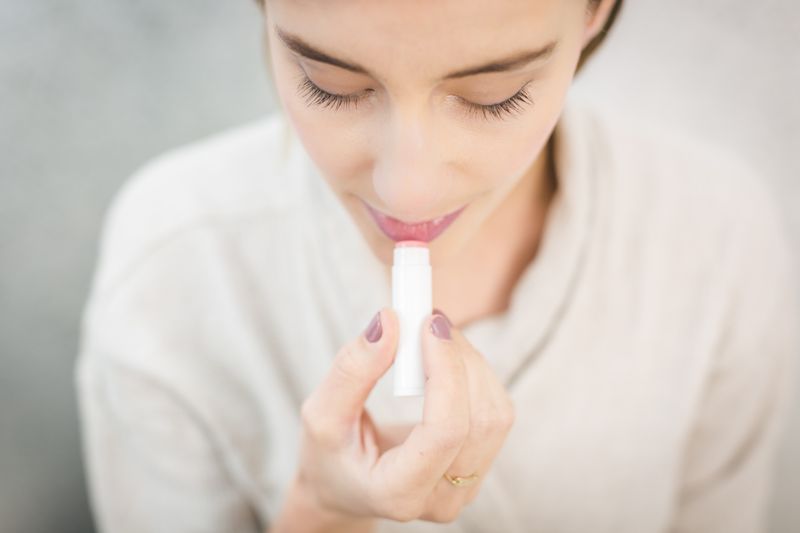
An occlusive balm applied generously and repeatedly gives the surface time to complete its own shedding. Overnight is the most useful window, since nothing removes the film for several uninterrupted hours.
Flakes that are genuinely ready to come away will lift with the balm rather than needing force. Gently wiping with a damp cloth after several days of consistent balm use removes what is loose without taking what is not. Most peeling resolves within a week of this approach, which is faster than repeated scrubbing achieves.
When exfoliation is reasonable
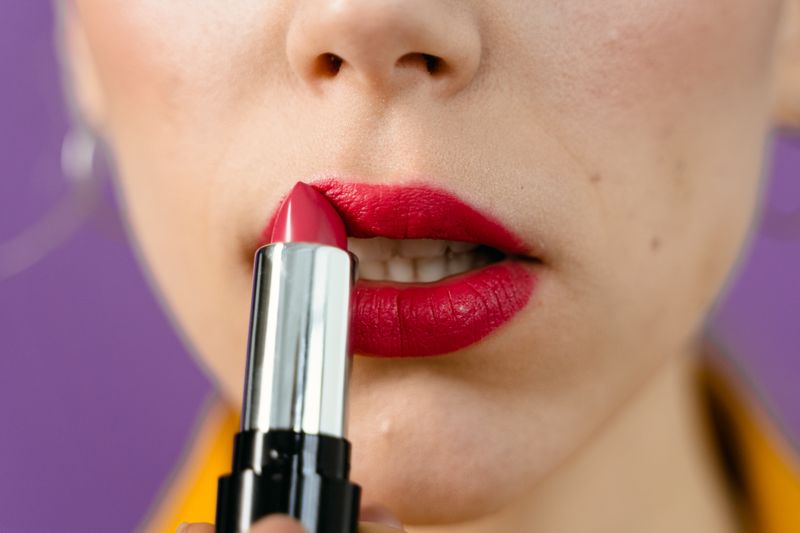
Before a matte lipstick that will cling to raised flakes, a very gentle removal of loose material can improve the result. That means a soft cloth or a fingertip rather than sugar crystals or a brush.
Doing it occasionally, on lips that are otherwise healthy, is different from doing it as a response to chronic peeling. Chemical exfoliants on lips are generally a poor idea given how thin the tissue is. If your lips need exfoliating before every lipstick application, the underlying problem is the peeling rather than the preparation.
Identifying the real cause
Licking is the most frequent driver and is largely unconscious, so noticing it is the first step. Mouth breathing during sleep dries the surface for hours and is a common explanation for morning peeling.
Under makeup, irritant balms containing menthol, camphor or strong flavourings keep the cycle running while feeling soothing. Toothpaste containing sodium lauryl sulfate contacts the lips twice a day and irritates some people noticeably.
Working through these one at a time identifies the culprit far faster than trying a new balm.
Seasonal and environmental factors
Cold air holds less moisture and wind removes surface water directly, which is why winter peeling is near universal. Indoor heating drops humidity further, so both halves of the day work against the lip. Air conditioning has a similar drying effect in hot climates, and long flights are notoriously dehydrating.
A humidifier in the bedroom addresses several hours of the problem at once. Adjusting the balm to something heavier for the season is more effective than applying a light one more often.
Persistent, painful or changing skin conditions belong with a dermatologist rather than a routine.
When to get it looked at
Peeling that persists for weeks despite gentle care and no scrubbing deserves a medical opinion rather than another product. Cracking at the corners, persistent swelling, burning or a sore that does not heal are not ordinary dryness. Reactions that recur with specific products point to a contact allergy that clinical testing can identify.
Some medications, including certain acne treatments, cause significant lip dryness as a known effect. If you are taking anything that affects your lips, the prescriber is the right person to discuss it with.
The takeaway
Stop removing the surface and let it finish shedding, which takes patience rather than a better scrub.
A short routine you finish beats a long one you resent.
Questions readers ask
Is a sugar scrub bad for lips?
Used rarely on healthy lips it is fine. Used to treat chronic peeling it usually perpetuates the problem by removing cells that were not ready to go.
How long does it take for peeling lips to settle?
With consistent balm use and no scrubbing, most people see clear improvement within about a week. Longer than that is worth investigating.