Ingredients
Panthenol, allantoin and centella do quiet work worth understanding
The soothing shelf gets dismissed as filler because nothing on it produces a dramatic result. What each one is understood to do, and where the evidence is thin.
Most explanations of soothing skincare ingredients stop at the point where it starts to matter. This one carries on.
The short version
- Panthenol converts to pantothenic acid in skin and acts as a humectant.
- Allantoin is used at low levels and helps soften the surface layer.
- Centella extracts are widely used and the human evidence is uneven.
What soothing actually means
The word covers reducing the sensation of discomfort, reducing visible redness and supporting the surface so less irritation happens next time. Those are three different outcomes, and an ingredient can deliver one without touching the others.
None of them is a treatment for an inflammatory skin condition, which is a medical matter for a doctor rather than a cosmetic one. The category matters most for people using strong actives, since a compromised surface is what makes everything else uncomfortable. It is also the category where marketing language runs furthest ahead of what the ingredients have actually been shown to do.
Panthenol
Panthenol is provitamin B5, converting in skin to pantothenic acid, and it is typically used somewhere around one to five per cent. It functions as a humectant, drawing and holding water in the outer layers in the same way glycerin does. It has a long history in wound-care and after-sun preparations, which is a reasonable indicator that it is well tolerated.
Reported effects on reducing redness and improving barrier recovery are supported by a modest body of work rather than an overwhelming one. It also appears in hair products, where it coats the strand and slightly improves how it handles rather than repairing anything.
Allantoin
Allantoin is used at low concentrations, commonly up to about half a per cent, and higher levels are restricted in some markets. It is described as a keratolytic at the mild end, meaning it helps loosen the outermost cells so the surface feels smoother. That is a different mechanism from an acid, and it happens gently enough that it rarely produces any visible flaking.
On a compromised barrier, it has a long record in skin preparations for comfort, and the specific human evidence for cosmetic claims is limited. It is inexpensive, stable and almost never a source of irritation, which explains its appearance in sensitive-skin ranges.
Centella asiatica
Centella extracts contain several active compounds, including asiaticoside and madecassoside, and different products emphasise different fractions. Laboratory work suggests effects on collagen synthesis and on inflammatory signalling, which is where the enthusiasm originates. Human studies exist and vary considerably in quality, so the fair summary is encouraging rather than established.
Extract potency varies enormously between suppliers, meaning two products naming centella may contain very different amounts of anything active.
It is popular partly because it is genuinely well tolerated and partly because it photographs well as an ingredient story.
Others on the same shelf
Colloidal oatmeal has a reasonable record for reducing itch and irritation, and appears in preparations recommended for very sensitive skin. Bisabolol, derived from chamomile, is used at low levels for comfort and has modest supporting work.
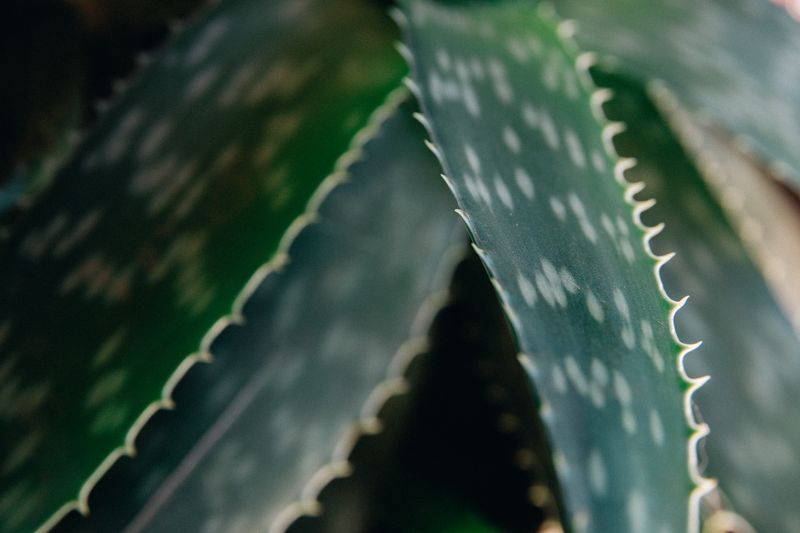
Beta-glucan and various ferment filtrates are common in this category with evidence that is mostly laboratory-based. Aloe is ubiquitous, generally comfortable and considerably less remarkable than its reputation suggests. The pattern across the category is plausible mechanisms and thin human evidence, which is worth saying rather than hiding.
How to use the category sensibly
These ingredients are most useful as supporting players in a moisturiser rather than as the reason to buy a dedicated serum. They pair well with actives, since a comfortable surface is what makes a retinoid or an acid sustainable over months. Do not expect them to fix irritation caused by something you are still applying, because the source matters more than the soother.
Persistent redness, itching, burning or a rash that does not settle is a medical question and not a shopping one. Judge them by whether your skin feels better in use, which is the outcome they can honestly claim to influence.
The takeaway
This shelf makes strong actives sustainable, which is a real job even though it never produces a dramatic result.
A short routine you finish beats a long one you resent.
Questions readers ask
Do soothing ingredients actually reduce redness?
Some appear to help modestly, and the evidence varies by ingredient. None of them treats an inflammatory condition, which needs a doctor.
Is centella worth paying extra for?
Only where the formula is otherwise good. Extract quality varies enormously, and the name on a list does not indicate how much active is present.
Also by Ayaan Kochhar
- How to read an INCI list, and where the order stops meaning anythingIngredients
- Vitamin C is three different molecules wearing the same nameIngredients
- Retinoids are a family, and the ladder matters more than the brandIngredients
- Hyaluronic acid is a sponge, and a sponge needs somewhere to keep the waterIngredients