Makeup
Brushes, sponges and fingers move product in three different ways
The tool decides how much product is deposited, how it is distributed and how much of it stays on the tool. That is a bigger variable than most formulas.
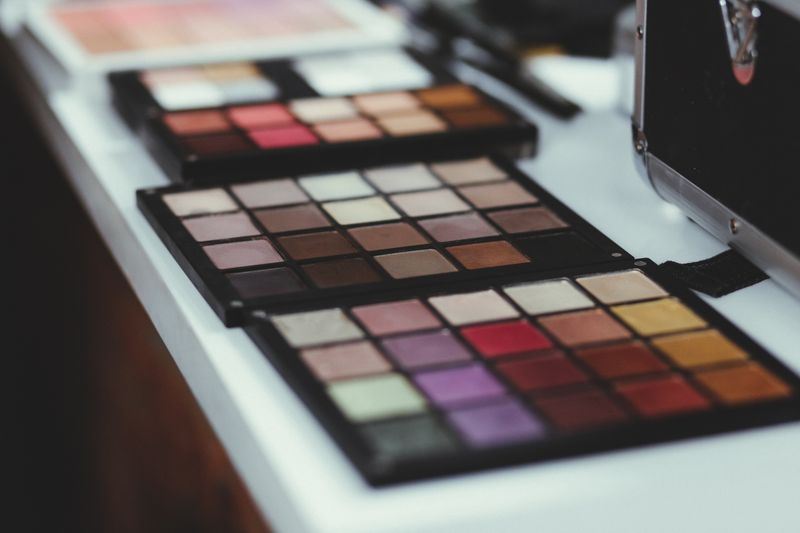
There is a short answer about makeup application tools and a useful one, and they are not the same. What follows is the useful one.
The short version
- A damp sponge absorbs product and sheers coverage.
- Dense brushes deposit more and buff into the surface.
- Fingers warm product and press it into skin.
What each tool actually does
A dense brush picks up product and pushes it into the surface, giving fuller coverage and an even, worked-in finish. A damp sponge absorbs a meaningful share of the product and presses the rest into skin, which sheers coverage and softens edges.
Fingers warm a product with body heat, which thins emollient formulas and helps them melt into the surface. The same foundation applied with all three will look like three different products, which is worth testing before buying another base. Choosing the tool for the effect you want is faster and cheaper than changing the formula.
Damp is the operative word
A dry sponge absorbs a great deal more product than a damp one, wasting it and depositing unevenly. Dampening and squeezing out thoroughly fills the pores of the sponge with water so it takes up less of the base. The residual moisture also helps blend and gives a fresher-looking finish, particularly with matte formulas.
A soaking sponge sheers coverage almost to nothing, which is occasionally the desired effect. Bouncing rather than dragging is the technique, since dragging pushes product around instead of pressing it in.
Brush shapes and their purposes
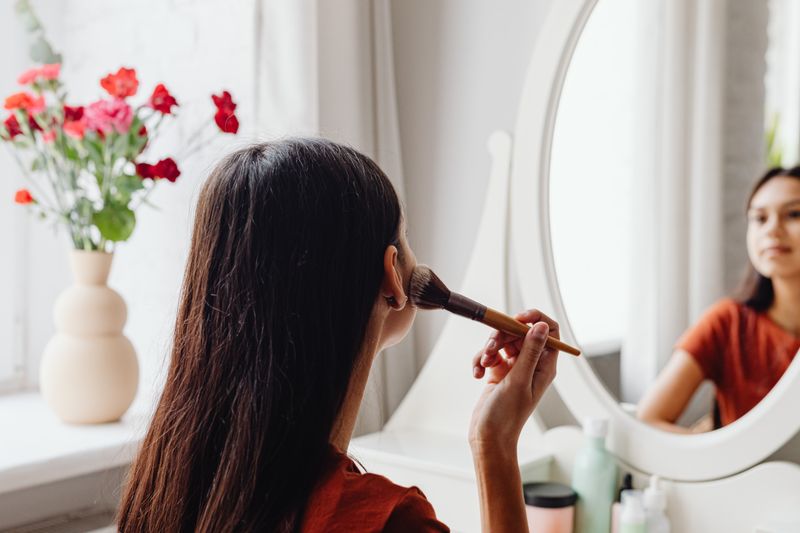
Flat paddle brushes push product across the surface and tend to leave streaks unless followed by buffing. Dense round buffing brushes work product in circular motions and give the fullest coverage of any tool.
After four to six weeks, tapered brushes place product precisely, which suits concealer, contour and anything applied to a defined area. Fluffy brushes deposit very little and are mainly for blending edges and applying powder lightly. Owning four well-chosen brushes covers almost everything, and larger sets are mostly duplication.
Cleaning is not optional
Brushes and sponges accumulate sebum, dead skin, product and moisture, which together support microbial growth. Sponges are worse than brushes because they retain water internally and stay damp between uses.
After four to six weeks, washing sponges after each use and brushes weekly is the usual advice for anything used with liquid products. Powder brushes can go longer, though monthly is a reasonable habit and improves how cleanly they apply.
A visibly stained or hardened sponge should be discarded rather than cleaned, since the interior cannot be reached.
How tools change coverage
If a foundation looks too heavy, switching to a damp sponge is more effective than diluting it with moisturiser. If coverage is insufficient, buffing with a dense brush deposits considerably more of the same product. Layering with different tools works well, using a sponge for the overall base and a small brush for targeted areas.
By the end of a working day, cream blush and bronzer are usually easiest with fingers, since warmth improves how they blend. The main mistake is owning one tool and blaming products for results the tool determined.
Formulation decides how an ingredient behaves, and the percentage on the front tells you less than it implies.
What to buy first
One dense buffing brush, one small tapered brush, one fluffy powder brush and one sponge covers a full face comfortably. Synthetic bristles work better with liquid and cream products, since they do not absorb the way natural hair does.
On the ingredient list, natural bristles have traditionally been preferred for powder, though good synthetics now perform equally well. Expensive brushes last longer and shed less, but the difference in result is smaller than the difference in price. Replacing a sponge every few months is a running cost worth budgeting for rather than resisting.
The takeaway
Change the tool before you change the foundation, because it determines more of the result than the formula does.
A short routine you finish beats a long one you resent.
Questions readers ask
Do I need to dampen a beauty sponge every time?
Yes, if you want consistent results. A dry sponge absorbs far more product and deposits it unevenly.
How often should brushes be washed?
Weekly for anything used with liquids or creams, and monthly for powder brushes. Sponges need washing after each use because they stay damp inside.
Also by Tanya Sabharwal
- The skin barrier is a physical structure, not a marketing wordSkincare
- Mineral and organic filters reach the same result by different chemistrySkincare
- A moisturiser does three separate jobs, and most people only want twoSkincare
- AHAs and BHAs differ by solubility, and that decides where they can reachIngredients