Skincare
Toner stopped meaning what it used to and kept the name
The word once described an astringent that stripped what soap left behind. The bottles sold under it today have almost nothing in common with that, or with each other.
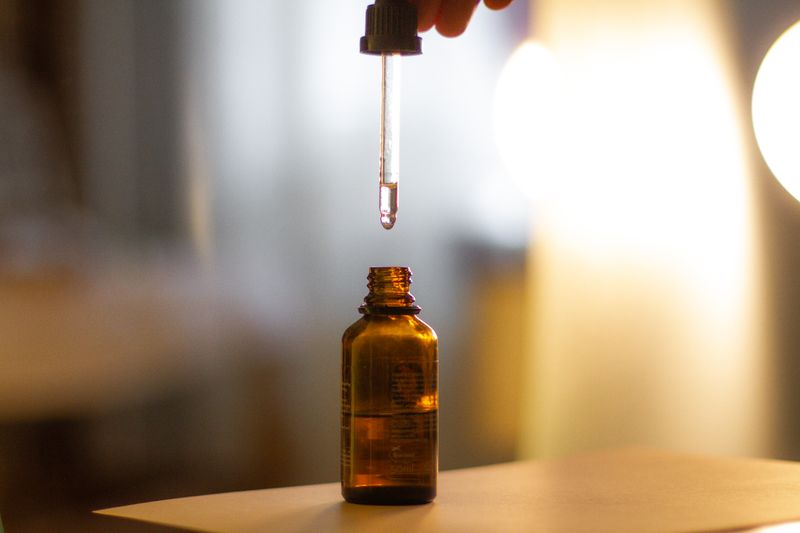
This works through what a toner does in the order the parts actually depend on each other.
The short version
- Original toners existed to remove soap residue and restore surface acidity.
- Modern toners range from hydrating essences to acid exfoliants under one word.
- Nothing in a routine requires a step called toner.
The job the category was invented for
Soap-based cleansers left an alkaline film and shifted the skin surface well away from its normal acidic state, sometimes for hours. A toner was an alcohol-based astringent that removed that residue, evaporated quickly and brought the surface back toward its usual pH. That made sense when soap bars were the standard face wash, and it makes very little sense alongside a modern pH-balanced gel cleanser.
The name survived because it was familiar and because a third bottle is easier to sell than an explanation of why it is no longer needed. Anyone still using a stinging alcohol astringent after a gentle cleanser is solving a problem their cleanser already prevented.
What is actually in the bottles now
Hydrating toners and essences are dilute humectant solutions, usually built on glycerin or low-weight hyaluronic acid in water. Exfoliating toners deliver glycolic, lactic or salicylic acid in a wipe-on format, and they are exfoliants regardless of what the label calls them.
Some are effectively watery serums carrying niacinamide or panthenol at low concentration, sold as a step rather than as a treatment. Astringent formulas built on alcohol or witch hazel still exist and behave the way the original category did. Four products with opposite functions share one word, which is why generic advice about toner is worthless.
Reading which one you own
Look at the position of anything active in the ingredient list, because a hydrating toner and an acid toner look identical in the bottle. Alcohol denat near the top of the list signals an astringent, and that is a choice rather than a fault if oily skin likes the finish. A named acid with a stated percentage means you are holding an exfoliant, and it counts toward your weekly exfoliation total.
Glycerin, butylene glycol and sodium hyaluronate near the top point to a humectant layer that pairs with a moisturiser rather than replacing one. Once you know which of the four you bought, the question of how often to use it answers itself.
What the step can genuinely add
A watery humectant layer applied to damp skin gives the moisturiser something to seal, which is a small but real improvement in comfort. The wipe-on format spreads a thin, even film across the face more consistently than dabbing a thicker product does.
For oily skin that dislikes creams, a hydrating toner plus a light gel can deliver water without an occlusive load. An acid toner is an efficient exfoliation format because the dose is spread thinly and the contact time is short.
Each of these is a modest gain, and none of them justifies calling the step essential.
What it cannot do
No toner closes pores, since pores contain no muscle and respond to nothing a liquid can apply from outside. No toner removes what a cleanser left, unless the cleanser is failing, in which case the cleanser is the thing to change.
Brown residue on a cotton pad after cleansing is mostly transferred surface material and dye from the pad rather than proof of dirt. Balancing is not a measurable outcome, and any product claiming to balance skin is describing a feeling rather than a mechanism. Persistent oiliness, redness or bumps are not toner problems and are worth raising with a doctor if they are affecting you.
Patch test anything new, and introduce one active at a time so you can tell what did what.
Whether to use one at all
A routine of cleanser, moisturiser and sunscreen is complete, and adding a toner is a preference rather than a correction. If you already own one you like, apply it to damp skin immediately after cleansing and move on quickly to the next layer.
By the end of a working day, if it stings, dries or leaves skin tight, that is information about the formula rather than a stage you need to push through. Using cotton pads doubles the product you spend, and pressing it on with clean hands wastes considerably less. The strongest argument for a toner is that you enjoy the step, which is a perfectly reasonable thing to buy.
The takeaway
Ignore the word on the front and read what is in the bottle, because four different products share one name.
Sunscreen, consistency and time outperform nearly everything sold as a breakthrough.
Questions readers ask
Do I need a toner?
No. Nothing in a functional routine depends on the step. It can add a light hydrating layer or deliver an acid conveniently, both of which are optional.
Is witch hazel toner good for oily skin?
It can reduce shine briefly, and many formulas carry substantial alcohol. If it leaves skin tight or stinging, the finish is being bought with irritation.