Lips
Bullet, wand and crayon are three formats that force three formulas
A product has to survive its own packaging. What a twist-up tube, a doe-foot applicator and a chunky pencil each demand changes what can be inside them.
There is a short answer about lip product formats and a useful one, and they are not the same. What follows is the useful one.
The short version
- A bullet must stand unsupported, which sets a minimum wax content.
- A wand product must stay fluid and not dry out in the tube.
- Crayons need enough structure to sharpen or advance without crumbling.
Packaging constrains chemistry
A formula has to hold its shape, survive transport, work with its applicator and stay usable for the life of the product. Those requirements are different for each format, and they narrow what a chemist can do before any aesthetic decision is made.
That is why certain finishes appear reliably in certain formats and are rare or awkward in others. Understanding the constraint explains a lot of behaviour people otherwise attribute to brand quality. It also explains why a favourite shade sometimes feels wrong when the same brand releases it in a different format.
The bullet
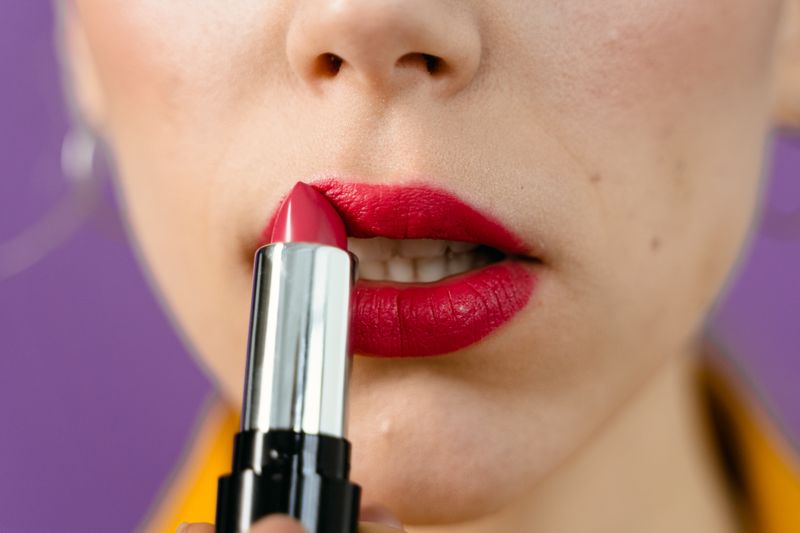
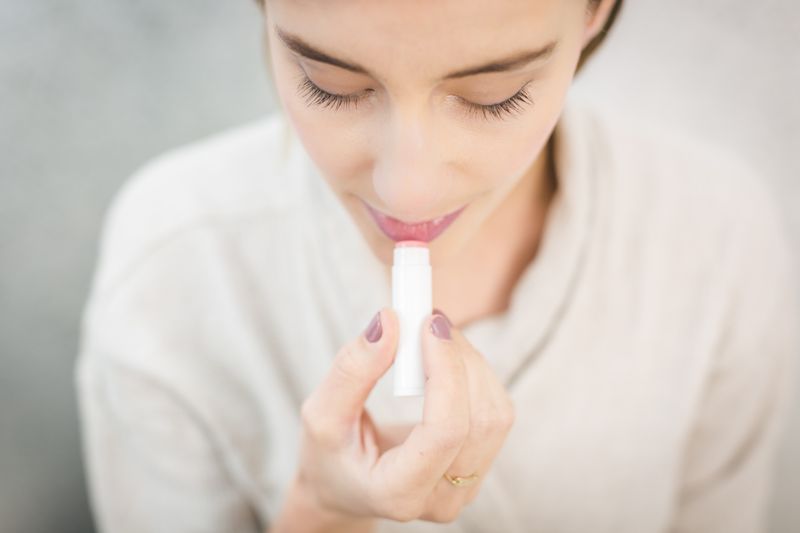
A moulded bullet must stand unsupported and resist deforming in a warm pocket, which sets a floor on wax content. That structure is why bullets deliver the most opaque colour in a single pass and the most precise edge from a sharp corner. It also means bullets cannot easily be made as slippery as a wand product without becoming structurally unstable.
On a compromised barrier, the high wax content that makes them precise also makes them feel drier than an equivalent shade in a tube. The format is the reason classic lipstick behaves the way it does, and that has not changed in a long time.
The wand
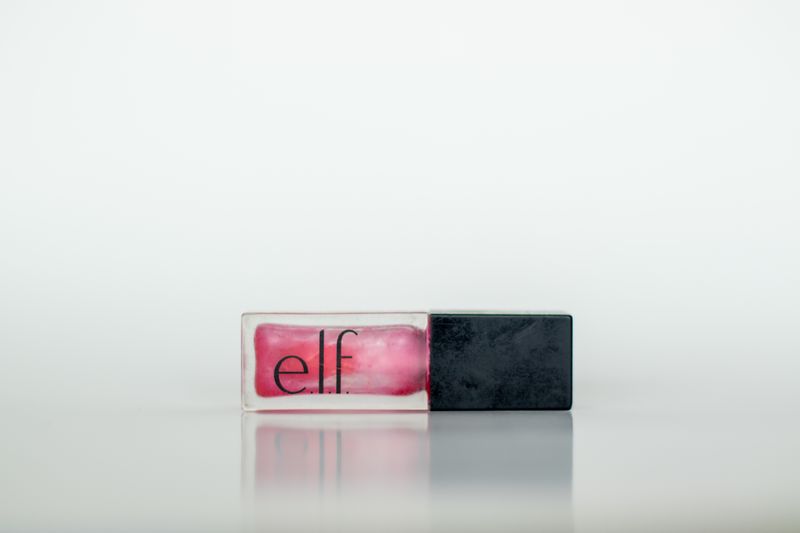
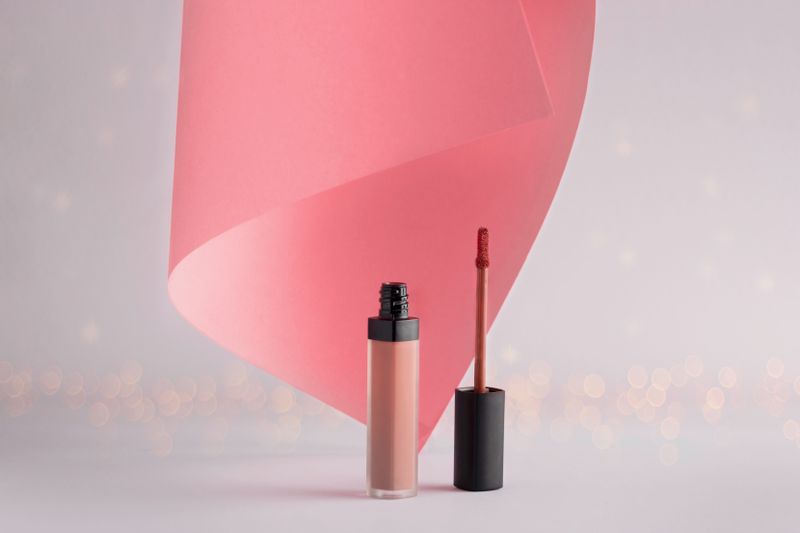
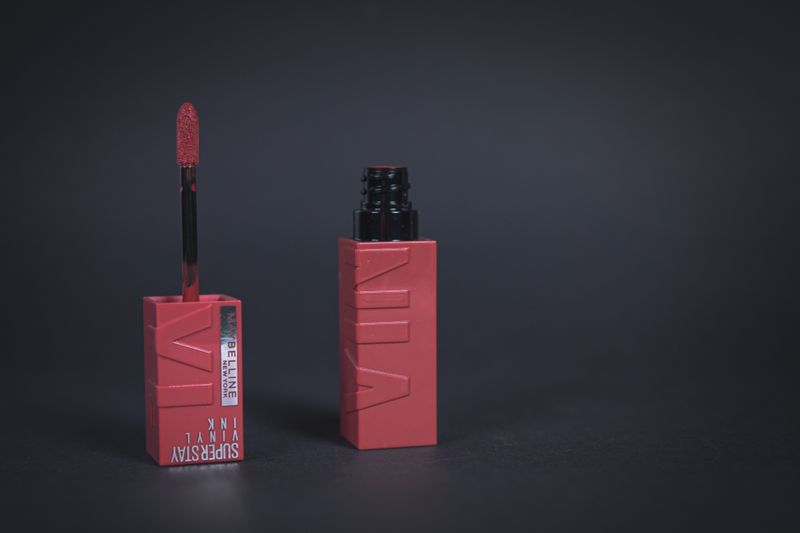
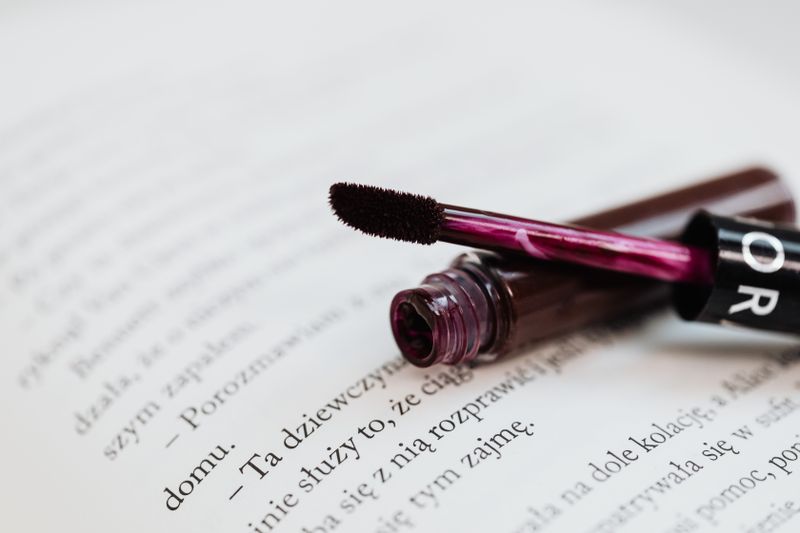
A doe-foot applicator requires a product that stays fluid enough to be picked up and spread from a small sponge tip. Because the applicator returns to the tube after touching the lip, these formulas need robust preservation.
Under makeup, air enters every time the wand is removed, which is why liquid formulas thicken and dry out faster than bullets do. The format allows both very sheer oils and very heavily pigmented liquid lipsticks, which is an unusually wide range. Long-wear liquid formulas exist in this format specifically because a volatile solvent system needs a sealed tube.
The crayon
A chunky pencil needs enough structure to advance or sharpen without crumbling and enough softness to deposit colour with light pressure. That sits between a bullet and a wand product, which is why crayons tend to be satin rather than fully matte or fully glossy.
After four to six weeks, the format is precise at the edge and quick to use, which explains its popularity for everyday colour. Retractable versions cannot be sharpened, so the tip shape you get is the tip shape you keep.
Sharpening a soft crayon works best with a wide barrel sharpener and a chilled product, since warm cores tear.
Pots, palettes and brushes
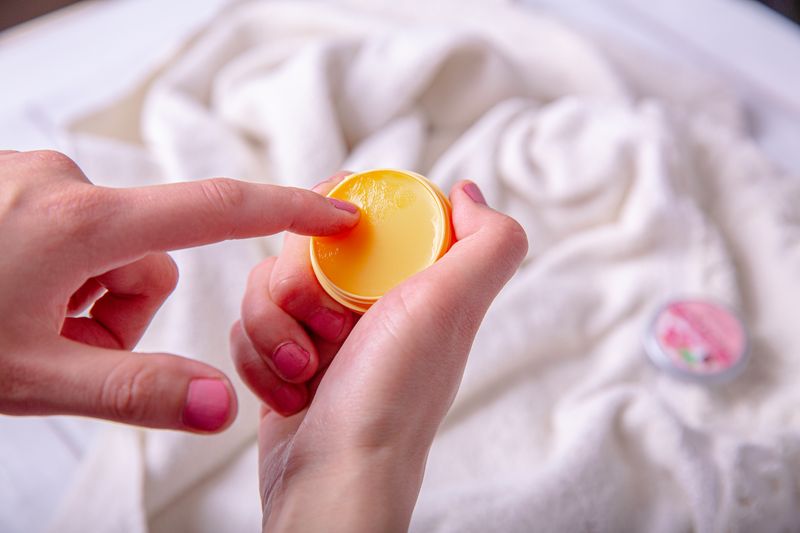
A pot removes the structural requirement entirely, which allows the softest and most emollient formulas available. Applying with a brush gives more precision than any other method and takes considerably longer. Fingers into a pot introduces contamination, which matters more here than elsewhere because the product goes on the mouth.
Palettes of lip colour are used by makeup artists precisely because the format allows mixing that no other format permits. The format is rare in consumer products because most people will not spend the extra minute a brush requires.
Formulation decides how an ingredient behaves, and the percentage on the front tells you less than it implies.
Choosing a format for the day
Bullets suit precision and opacity and are the format most likely to survive being kept in a warm bag. Wands suit sheer colour applied without a mirror and long-wear colour applied with one.
Crayons suit speed and a soft edge and are the easiest to reapply without looking. Pots suit anyone who enjoys the process and has both a brush and the time to use it. The format decides how often you actually wear something, which matters more than any property of the formula inside.
The takeaway
The packaging sets limits on the formula before anyone chooses a finish, which is why formats behave in consistent ways across brands.
Skin changes slowly. Anything promising otherwise is selling the promise.
Questions readers ask
Why does the same shade feel different in a tube and a bullet?
The bullet needs wax to hold its shape, which makes it drier and more opaque. The tube version can carry more oil and will feel softer.
Do liquid lipsticks dry out faster?
Generally yes, because air enters every time the wand comes out. Wiping the neck and closing tightly slows it, and the format has a shorter working life.
Also by Tanya Sabharwal
- The skin barrier is a physical structure, not a marketing wordSkincare
- Mineral and organic filters reach the same result by different chemistrySkincare
- A moisturiser does three separate jobs, and most people only want twoSkincare
- AHAs and BHAs differ by solubility, and that decides where they can reachIngredients