Lips
The tube, the arm and the lip give three different colours
A lipstick that looked perfect in the shop and wrong at home was never mismatched. It was judged against three surfaces that reflect light in three different ways.
Everything below about judging a lipstick shade comes from what actually happens rather than from what is supposed to.
What holds up in practice
- The bullet shows undiluted colour under a thick layer.
- Arm skin differs in tone and texture from lip skin.
- Lip pigment shows through anything less than fully opaque.
Why the bullet lies
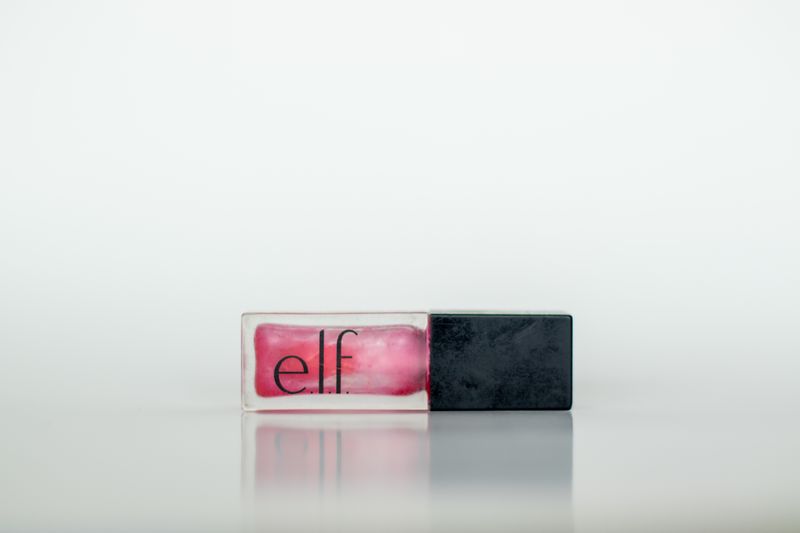
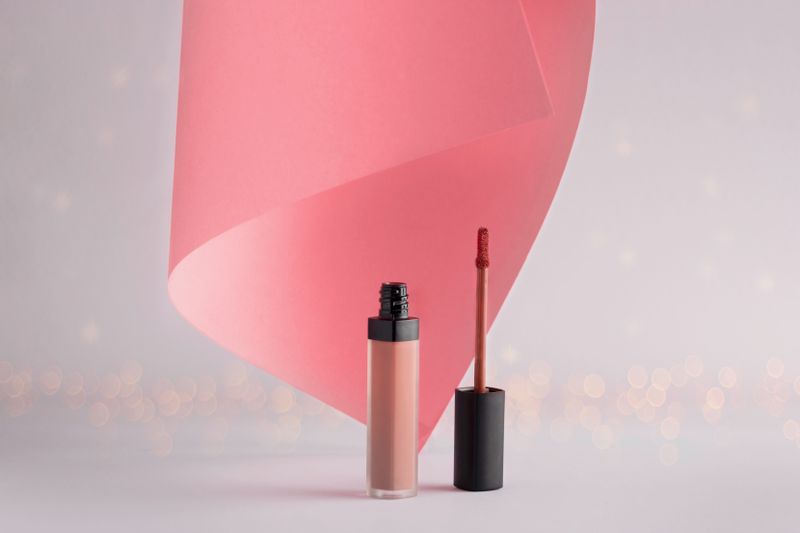
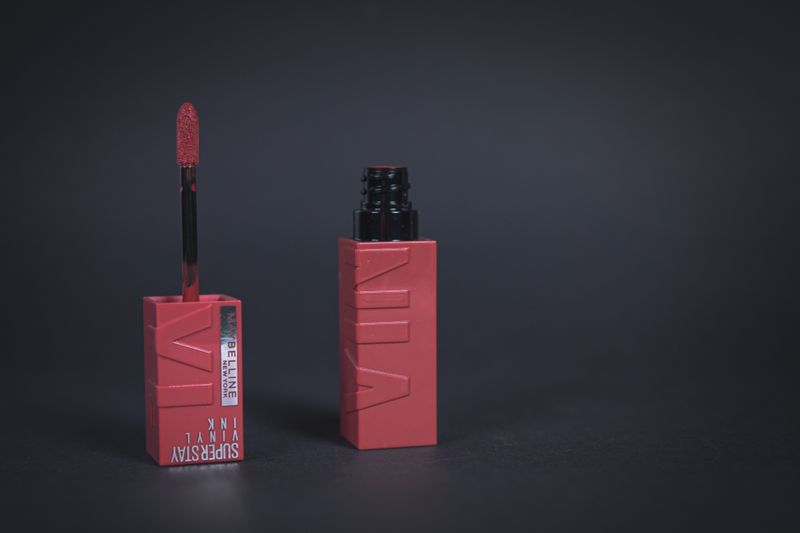
The colour of a bullet is what a very thick layer of the product looks like, which is far more material than ever reaches a lip. The moulded surface is also smooth and slightly reflective, so it returns light in a way an applied layer never will. Deeper shades look almost black in the tube because thickness increases apparent saturation dramatically.
Sheer formulas look far more intense in the bullet than on skin, since the entire point is that they apply thinly. The bullet is a reasonable guide to hue and a poor guide to how the shade will actually read.
Why the arm lies
Arm skin is a different colour from lip skin on essentially everyone, usually less pink and often a different undertone. It is also less translucent and has a different surface texture, so it reflects light differently from a lip. A swatch on the inner wrist sits over visible veins, which shifts the perceived tone toward cool.
The back of the hand is closer to facial skin than the wrist and still nothing like the lip surface. Arm swatching is useful for comparing several shades against each other and useless for predicting the final result.
What your own lips contribute
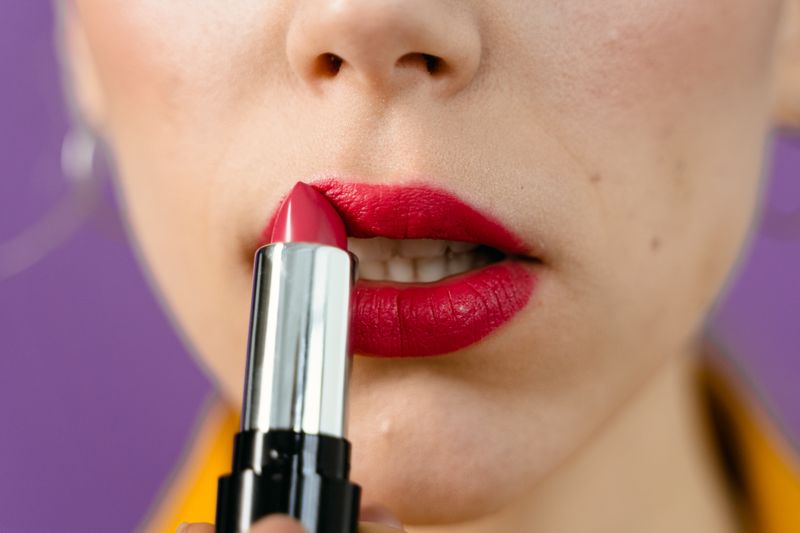
Lip colour varies considerably between people, from pale pink through to deep brown, and it sits under everything you apply. Anything less than fully opaque combines with that base colour rather than replacing it, which is why sheer shades vary so much between wearers.
At the strengths actually sold, cooler natural lip tones pull warm shades toward neutral, and deeper natural tones mute lighter shades substantially. This is not a flaw to be corrected but a variable to be worked with, and it is why swatch photographs are so unreliable. Applying a shade over a neutral lip liner or a light base changes the equation deliberately, which is a legitimate technique.
Lighting in shops and at home
Retail lighting is generally bright, warm and directed, which flatters skin and shifts every colour toward warmth. Office lighting is often cooler and overhead, which flattens colour and emphasises any texture on the lip. Daylight varies through the day and by weather, and it is still the most honest light for judging a shade.
Camera sensors and phone processing apply their own adjustments, which is why a photograph rarely matches what you saw.
Judging a shade near a window and then walking outside costs a minute and prevents most disappointments.
Testing properly
Apply the actual product to your actual lips wherever possible, since every other surface introduces error. Wear it for ten minutes before deciding, because oils and dyes continue to develop after application. Look at it in at least two lighting conditions, one of them daylight, before committing.
At the strengths actually sold, check it against your face rather than in isolation, since a shade interacts with your skin tone and whatever else you are wearing. If the shop will not allow lip testing, ask for a sample on a clean applicator rather than guessing from the tube.
Formulation decides how an ingredient behaves, and the percentage on the front tells you less than it implies.
Why online shade names fail
Names such as nude, rose and brick describe a family rather than a specific point, and brands use them inconsistently. Product photography is colour-corrected for a consistent brand look, which routinely shifts a shade from where it actually sits.
By the end of a working day, model swatches show the shade over one specific lip colour, which may be nothing like yours. Reviews from people with similar skin and lip tone are more informative than the manufacturer image. Buying blind is a gamble, and the only reliable protection is a return policy rather than better research.
The takeaway
Judge a shade on your own lips in daylight after ten minutes, and treat everything before that as a rough shortlist.
Skin changes slowly. Anything promising otherwise is selling the promise.
Questions readers ask
Why does a lipstick look different on me than on the model?
Your own lip pigment shows through anything not fully opaque, and it combines with the applied colour. Skin tone around the mouth shifts the perception further.
Is arm swatching useless?
Not entirely. It is good for comparing shades against each other. It is a poor predictor of how any single shade will read on your lips.
Also by Tanya Sabharwal
- The skin barrier is a physical structure, not a marketing wordSkincare
- Mineral and organic filters reach the same result by different chemistrySkincare
- A moisturiser does three separate jobs, and most people only want twoSkincare
- AHAs and BHAs differ by solubility, and that decides where they can reachIngredients