Lips
Lip oils are an old category wearing a new name
The format arrived quickly and the chemistry did not change much. What separates a lip oil from a gloss, from a balm, and from a bottle of oil you already own.

This is written to be used rather than admired. Each section below is a decision about lip oils, and each one has a default.
Before you start
- Most lip oils are non-drying oil blends with light tint and no wax structure.
- Oil alone is a weak occlusive compared with waxes and petrolatum.
- The doe-foot applicator and lighter feel are the genuine differences.
What is in the bottle
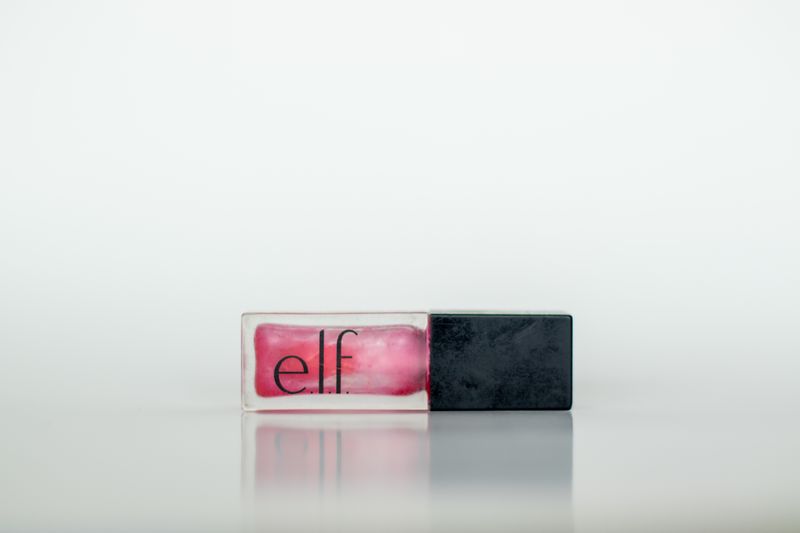
A lip oil is generally a blend of plant oils and esters, often with a small quantity of tint and a light fragrance. Unlike a balm it contains little or no wax, which is why it stays liquid and feels weightless rather than cushioning.
Unlike a traditional gloss it usually omits the tacky polymers, so it feels smoother and slides off considerably faster. The oils used are frequently jojoba, squalane and various seed oils chosen for feel rather than for any particular property. Chemically there is very little here that was not available in a facial oil or a gloss ten years ago.
What the format genuinely adds
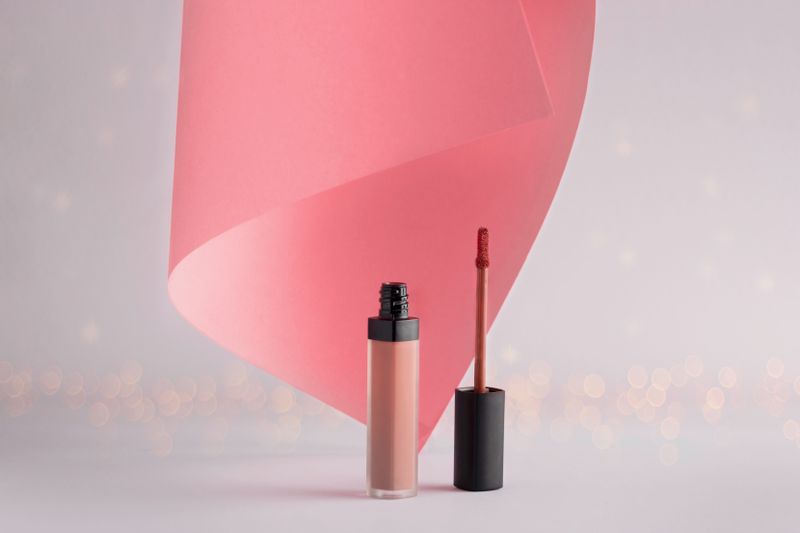
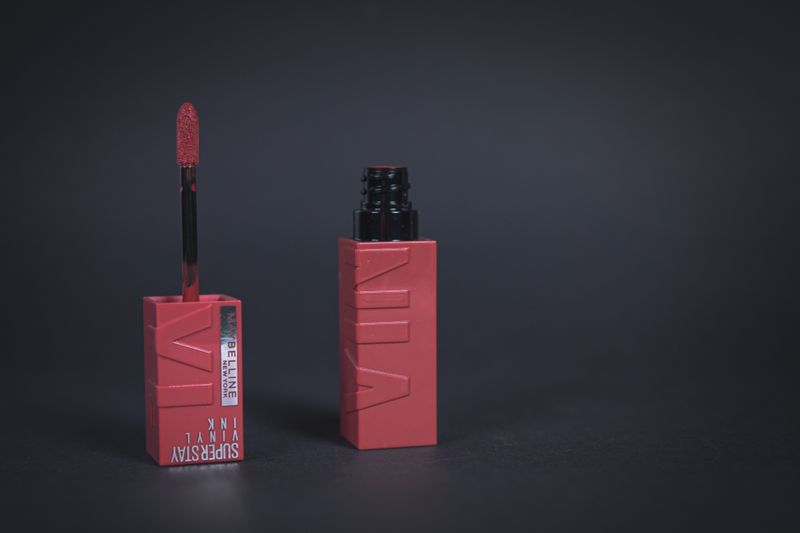
The applicator matters more than people expect, since a doe-foot deposits a thin even layer without the precision a bullet demands. The lighter feel suits people who dislike the weight of a balm or the tack of a gloss, which is a real preference. Sheer tint gives colour that requires no accuracy at all, which makes it usable without a mirror.
By the end of a working day, the lack of wax means it does not build up on the lip surface across repeated applications through a day. None of that is chemistry, and all of it explains why the category grew as quickly as it did.
Where oil sits as a lip treatment
Lip skin has no oil glands of its own, so an external lipid layer genuinely provides something the surface cannot make. Oils are emollients that smooth the surface and weak occlusives that slow water loss without stopping it. Waxes and petrolatum form far more complete films, which is why an ointment outperforms an oil on genuinely cracked lips.
On a compromised barrier, for everyday comfort in mild conditions an oil is perfectly adequate, and in cold dry wind it is not. Layering an oil under a balm gives the emollience of one and the seal of the other, which works well overnight.
The plumping versions
Many lip oils include tingling agents such as menthol or capsaicin derivatives to produce a temporary swelling effect. That is deliberate mild irritation, and applying it to lips that are already dry or chapped is working against yourself. The effect lasts under an hour and the drying effect of repeated irritation lasts considerably longer.
Anyone who reacts to menthol, cinnamon or peppermint should read the list, since these appear across the whole category.
A tingle-free version costs the same and does the emollient job just as well.
Whether you can use a kitchen oil instead
Cosmetically, a plain jojoba or squalane oil applied to lips does most of what an untinted lip oil does. Food oils vary in refinement and oxidation state, and an old bottle of olive oil is not equivalent to a fresh cosmetic grade one. Coconut oil is heavier and forms a more complete film, which suits lips well even where it suits faces poorly.
What you lose is the applicator, the tint and the flavour, which for many people is exactly what they were buying. There is no shame in either choice, provided nobody is paying a premium believing the chemistry is different.
Persistent, painful or changing skin conditions belong with a dermatologist rather than a routine.
Using one sensibly
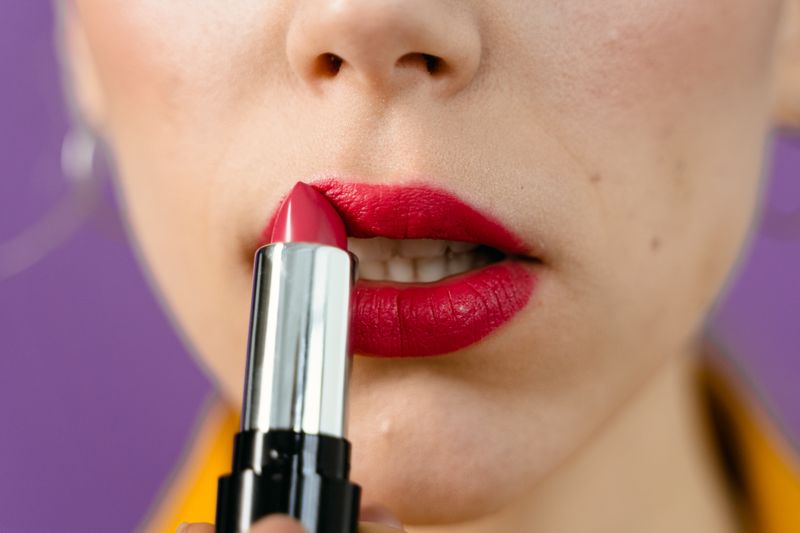
Apply to clean lips rather than over a worn lipstick, since oil will lift and move pigment already sitting there. Reapplying every couple of hours is normal for this format, because there is no wax to anchor it. Wearing it under a matte lipstick keeps lips comfortable without disturbing the colour if you allow it to absorb first.
After four to six weeks, at night, a balm or ointment holds up better than an oil, since it survives several hours of pillow contact. Persistent cracking, splitting at the corners or scaling that will not resolve needs a doctor rather than another tube.
The takeaway
It is a light oil in a convenient applicator, which is genuinely pleasant and not a new technology.
A short routine you finish beats a long one you resent.
Questions readers ask
Is a lip oil better than a balm?
It is lighter and less occlusive. Balms and ointments hold water in more effectively, which matters in cold dry conditions and overnight.
Do lip oils actually treat dry lips?
They add lipids to a surface with no oil glands and slow water loss modestly. Genuinely cracked lips do better with a wax or petrolatum-based product.