Lips
Balm, tint, stain and lipstick sit on one continuous scale
The categories differ mainly in pigment load and how the colour attaches. Placing a product on that scale predicts how it will behave better than its name does.
Everything here earned its place by changing an outcome. Nothing about lip product categories is included to round the number up.
What matters most
- Pigment load rises from balm through tint to lipstick.
- Stains bind to the surface rather than sitting on it.
- Comfort generally falls as wear time rises.
The scale itself
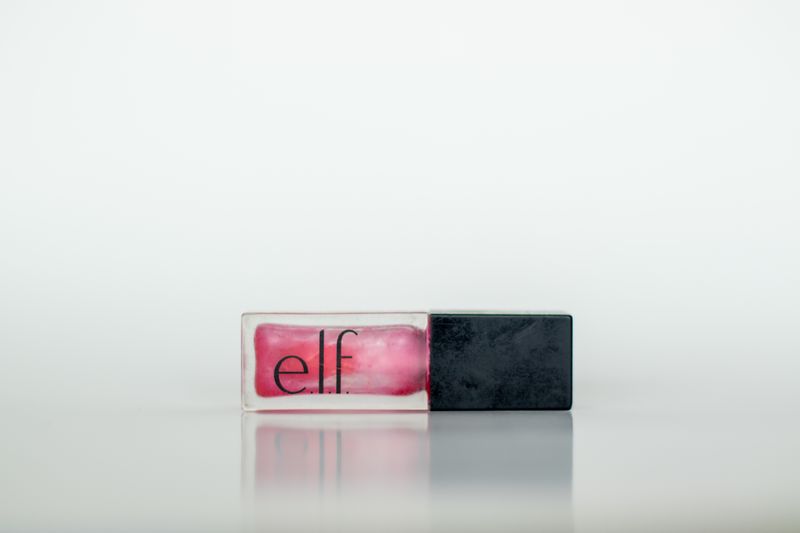
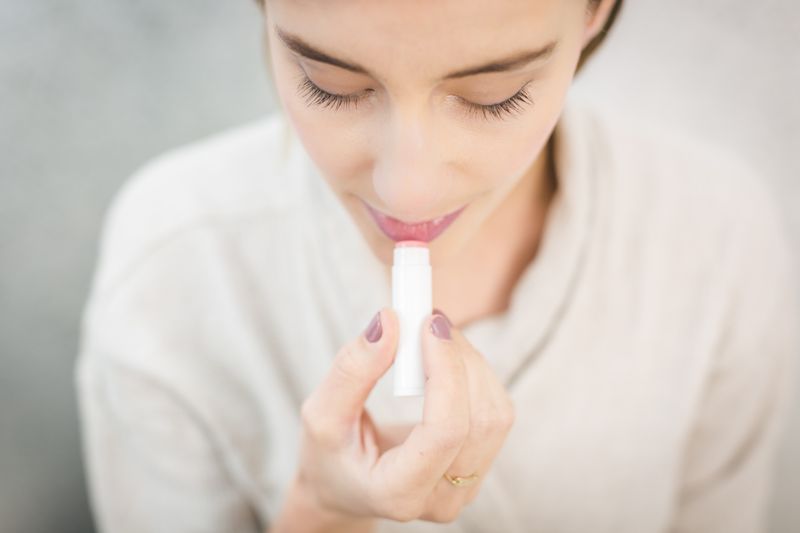
At one end sits plain balm, which is mostly wax and oil with no colourants and maximum comfort. Tinted balms add a small amount of pigment, giving a wash of colour that combines heavily with the natural lip tone.
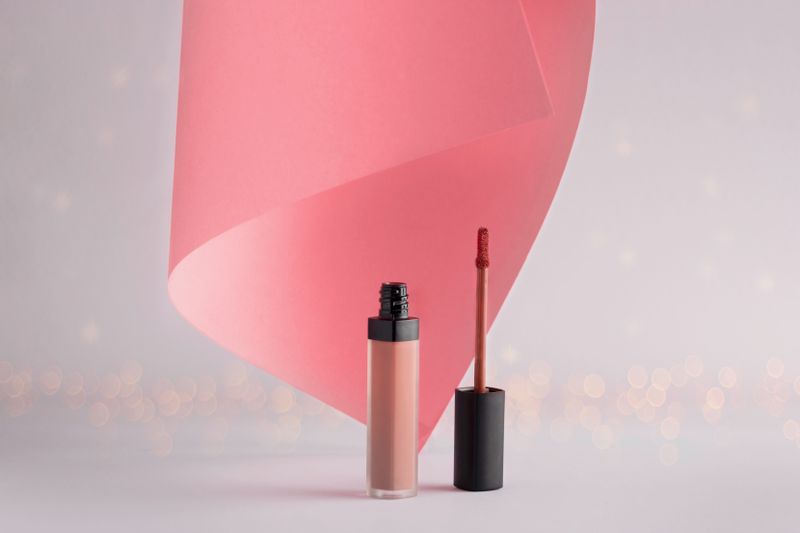
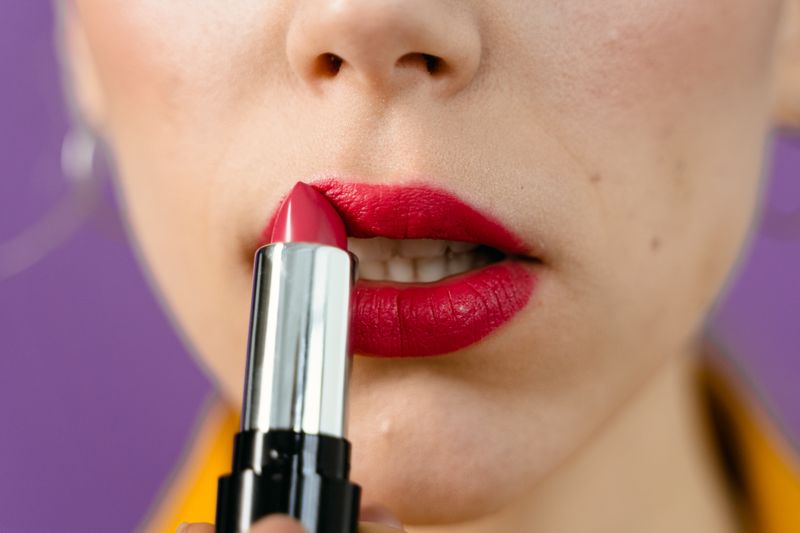
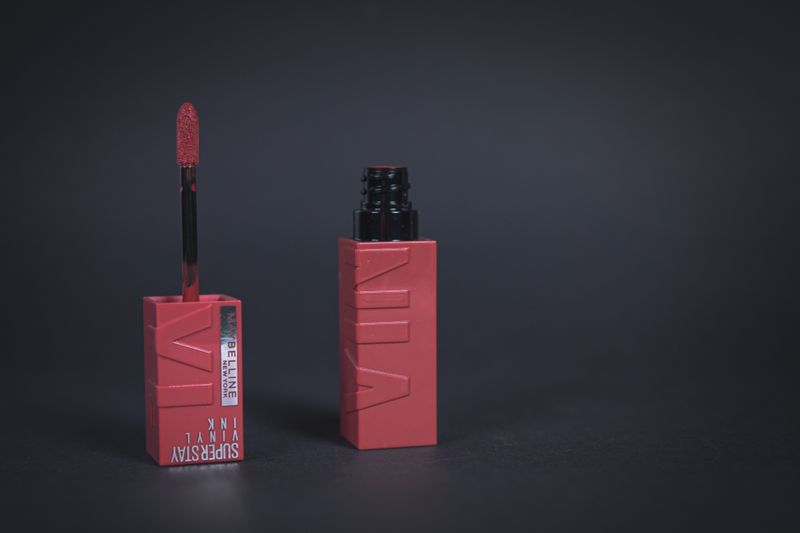
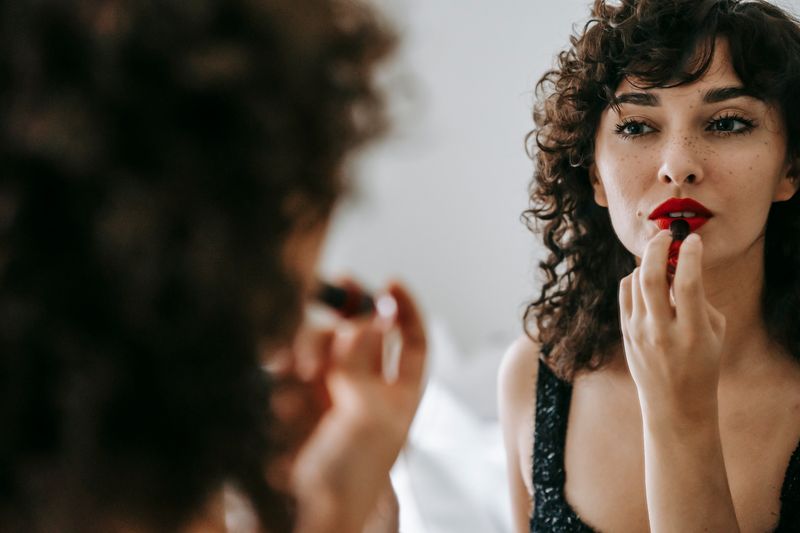
Lipsticks carry substantially more pigment held in a wax and oil base, delivering visible, sometimes opaque colour. Liquid lipsticks and long-wear formulas add polymers and volatile solvents, trading comfort for a film that resists transfer. Comfort declines and wear rises fairly consistently as you move along that scale, which is the main practical insight.
Where stains fit
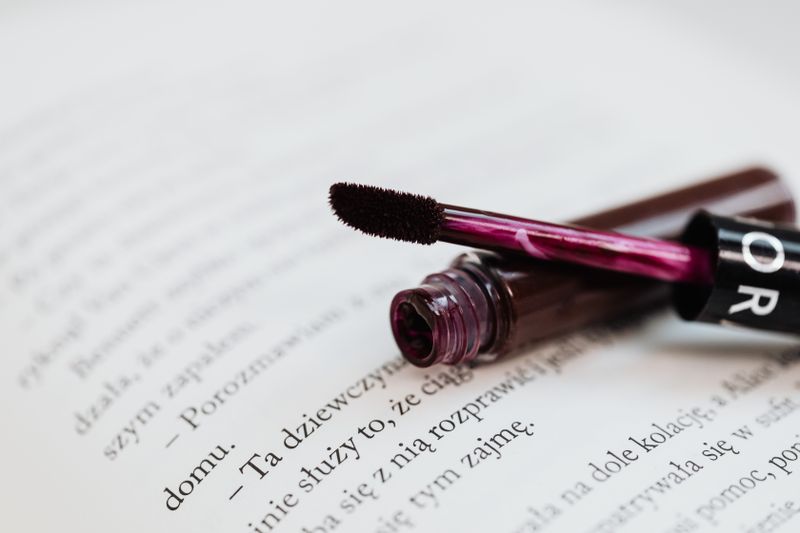
Stains work differently, using dyes that bind to the outer layer of the lip rather than forming a film on top. The colour therefore survives eating and drinking, because it is attached rather than resting on the surface. They apply as a liquid or gel, dry quickly and cannot easily be blended once set, which demands quick work.
Because the colour is in the surface rather than on it, stains feel much lighter than their wear time suggests. They also emphasise texture, since there is no film to smooth over unevenness, so preparation matters.
Glosses and their place
Gloss carries little pigment relative to its oil content and functions mainly as an optical and comfort layer. Modern glosses are far less sticky than older formulations, largely through different polymer choices. Layering gloss over a stain gives both wear and shine, which is a genuinely effective combination.
On a compromised barrier, some glosses include plumping irritants, and reading the ingredient list identifies them quickly. As a standalone product a gloss will not survive a meal, which is a limitation rather than a fault.
Choosing by situation
A day of meetings and coffee suits a stain or satin lipstick with a liner rather than a gloss. A cold, windy outdoor day argues for a tinted balm, since comfort matters more than colour intensity.
Under makeup, photographs and events justify long-wear formulas, where the transfer resistance is worth the drying effect. Ordinary days at home rarely justify anything beyond balm, which is worth saying out loud. Matching the product to the day is a more useful habit than owning one favourite for every occasion.
Layering across the scale
A liner under a lipstick extends wear at the border, and a stain under a balm extends colour without a heavy film. Blotting between layers removes excess oil and helps the next layer adhere, which is the single most useful technique here.
Applying gloss to the centre of a matte lip adds dimension without losing the wear at the edges. Layering two similar products from the same end of the scale mostly adds thickness rather than benefit. The useful combinations pair something that holds colour with something that adds comfort or shine.
Reading the label rather than the name
Category names are marketing terms and are used inconsistently between brands. Ingredient lists tell you more, since high wax content indicates a balm and volatile solvents indicate long wear. Presence of dyes rather than pigments suggests a staining product with a longer-lasting result.
At the strengths actually sold, titanium dioxide high in the list indicates opacity, whatever the product calls itself. Placing the product on the scale yourself is more reliable than trusting the word on the packaging.
Everything above, in order of what to do first
- The scale itself. At one end sits plain balm, which is mostly wax and oil with no colourants and maximum comfort.
- Where stains fit. Stains work differently, using dyes that bind to the outer layer of the lip rather than forming a film on top.
- Glosses and their place. Gloss carries little pigment relative to its oil content and functions mainly as an optical and comfort layer.
- Choosing by situation. A day of meetings and coffee suits a stain or satin lipstick with a liner rather than a gloss.
- Layering across the scale. A liner under a lipstick extends wear at the border, and a stain under a balm extends colour without a heavy film.
- Reading the label rather than the name. Category names are marketing terms and are used inconsistently between brands.
The takeaway
Place a product on the comfort-to-wear scale before you buy it, and the name on the tube stops mattering.
A short routine you finish beats a long one you resent.
Questions readers ask
Which lip product lasts longest?
Stains and long-wear liquid formulas, by different mechanisms. Stains bind to the surface while liquid formulas leave a polymer film on top.
Is a tinted balm enough for everyday colour?
For many people it is, since it combines with the natural lip tone and needs no precision. It will not deliver a defined or opaque colour.